beans
Arabica vs Robusta: What's the Difference?
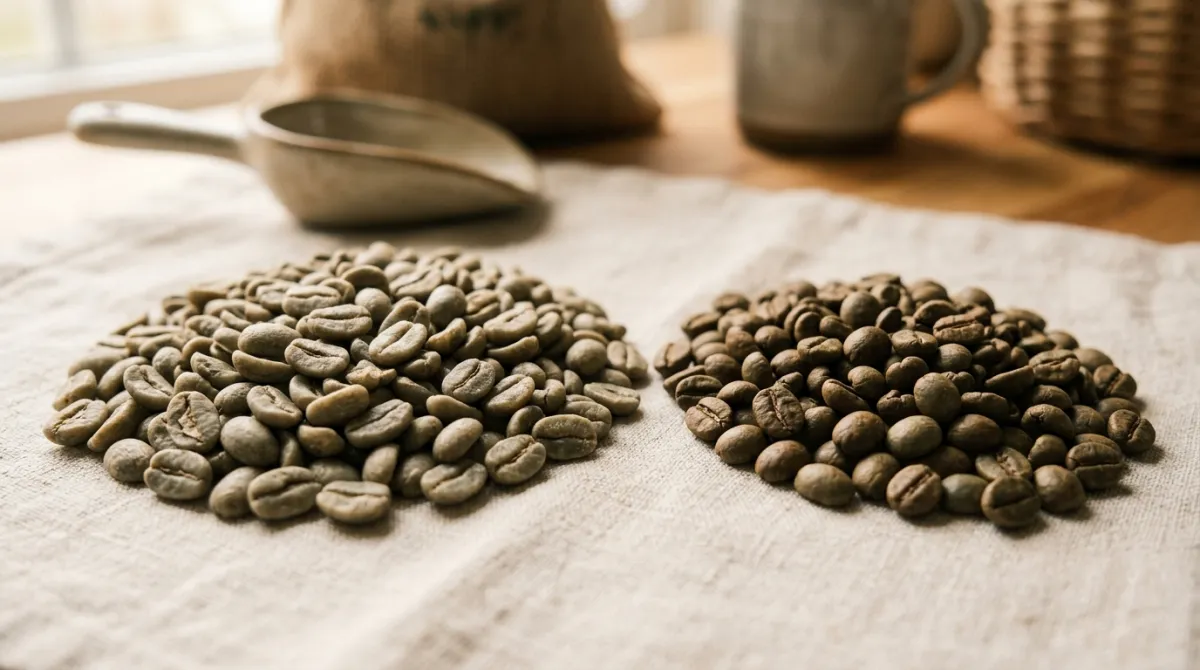
If you have ever stared at a bag of beans and wondered what “100% arabica” really means, you are not alone. The arabica vs robusta question sits at the heart of almost every coffee you will ever drink, from a specialty pour over to a can of instant. After brewing daily for more than a decade, I have learned that knowing the difference changes how you shop, brew, and taste.
Here is the short version. Arabica and robusta are the two coffee species that fill nearly every cup on the planet. They grow differently, taste differently, and cost differently. Understanding which one is in your bag helps you set expectations before the water even hits the grounds.
Key Takeaways
- Arabica tastes sweeter, smoother, and more complex, with brighter acidity, and it makes up the majority of the world’s coffee.
- Robusta tastes stronger and more bitter, carries roughly twice the caffeine, and costs less.
- Robusta produces more crema, so it often appears in espresso blends and instant coffee.
- Robusta is hardier and grows at low altitudes; arabica is delicate and needs cooler, higher ground.
- Neither is “better,” they just fit different cups and budgets.
Arabica vs robusta: what is the difference?
The core difference between arabica and robusta comes down to flavor, caffeine, and how each plant grows. Arabica beans taste sweeter, smoother, and more nuanced with noticeable acidity, and they dominate specialty coffee. Robusta beans taste stronger, harsher, and more bitter, pack about twice the caffeine, and cost less to produce.
Those two species behave like different personalities in the cup. Arabica is the sensitive artist: fussy, delicate, full of subtle notes. Robusta is the rugged workhorse: bold, punchy, and hard to kill.
You will find arabica in most single-origin bags and premium roasts. Robusta shows up where strength, crema, and low cost matter more than delicate flavor, think espresso blends and instant coffee.
Neither species is objectively superior. They simply solve different problems. Once you taste them side by side, the contrast is obvious. Arabica whispers; robusta shouts.
What is arabica coffee?
Arabica (Coffea arabica) is the most widely grown coffee species and accounts for the majority of global production. It is prized for its smooth body, gentle sweetness, and layered flavors that can range from fruit and florals to chocolate and nuts. If you have had a coffee that tasted like berries or caramel, it was almost certainly arabica.
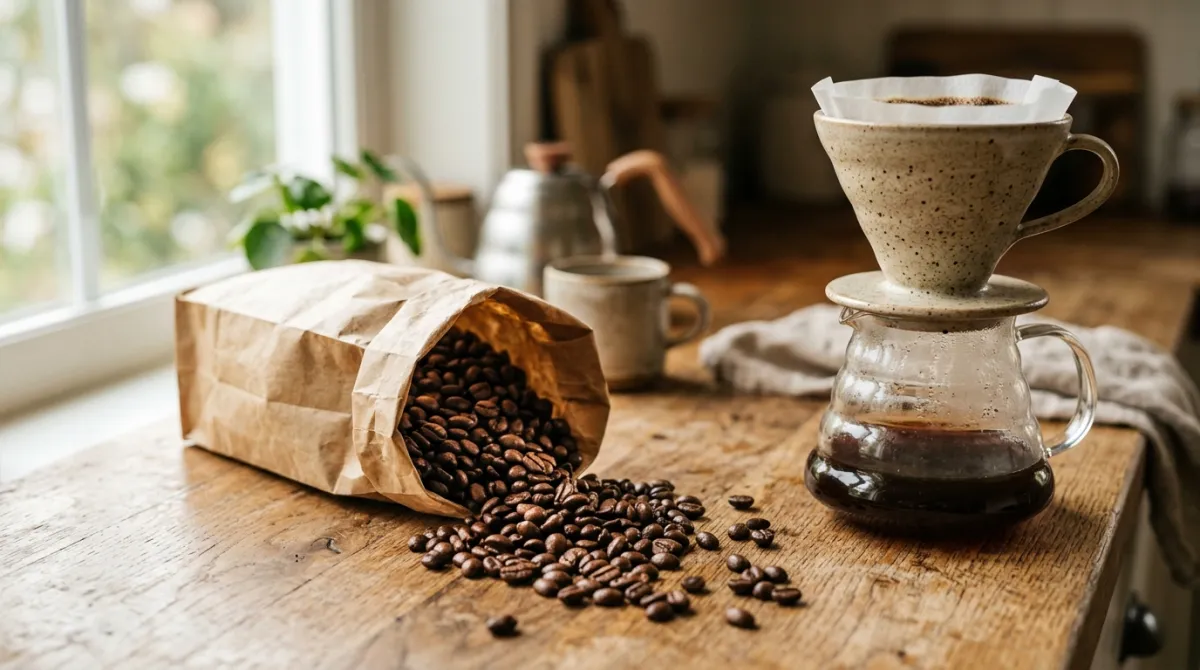
The catch is that arabica is demanding. The plant thrives at higher altitudes in cooler, stable climates with steady rainfall and shade. Those conditions slow the cherries as they ripen, and that slow development builds the sugars and acids behind arabica’s complex taste.
Arabica is also fragile. It is more vulnerable to pests, disease, and temperature swings than its tougher cousin. That sensitivity raises the cost and effort of growing it, which is part of why quality arabica commands a higher price.
In my own brewing, arabica is what I reach for when I want to actually taste the origin. A washed Ethiopian or a Colombian will reward a careful pour over with clarity you just do not get from harsher beans. The lower caffeine also means I can enjoy a second cup without feeling wired.
What is robusta coffee?
Robusta (Coffea canephora) is the second most common coffee species and the tougher, higher-caffeine option. It grows well at lower altitudes in hotter, more humid climates, and it resists disease and pests far better than arabica. That resilience makes it cheaper and easier to farm, which keeps its price down.
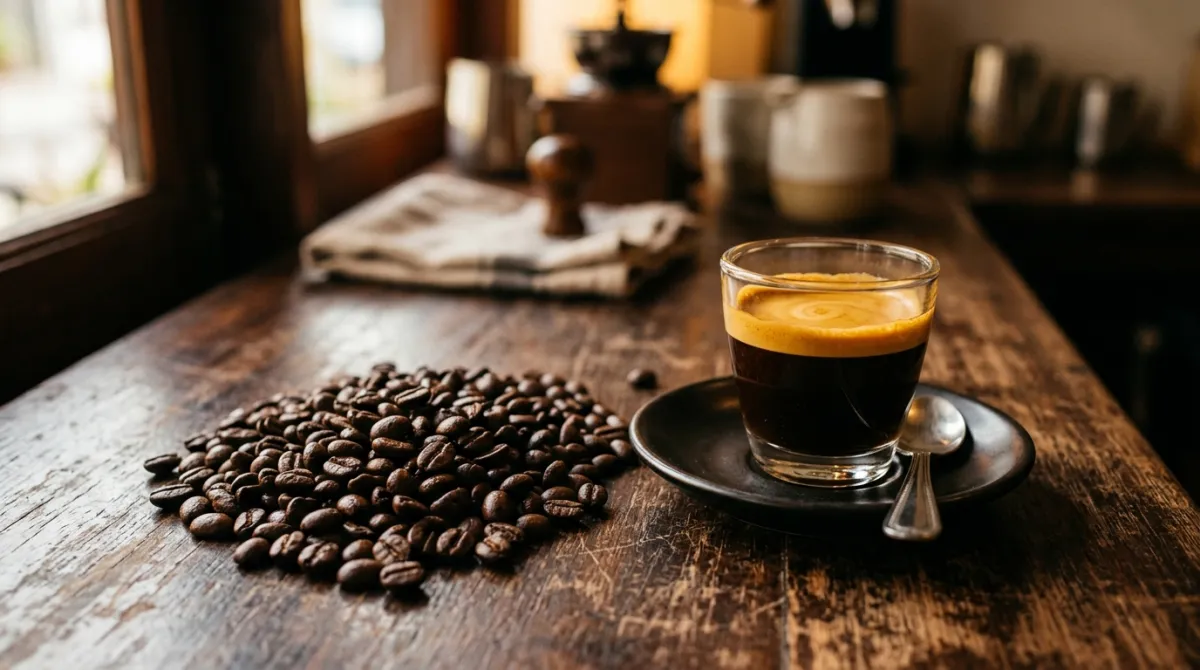
The trade-off is flavor. Robusta tends to taste bolder, more bitter, and earthier, sometimes with woody or rubbery notes when it is low grade. It rarely offers the bright, fruity complexity that arabica fans chase. What it lacks in nuance, it makes up in raw intensity.
Robusta earns its place for two practical reasons. First, it carries roughly double the caffeine of arabica, which acts as a natural pest defense on the plant and a strong kick in your cup. Second, it produces more crema, that thick golden layer on top of an espresso shot.
That is why traditional Italian espresso blends often include a portion of robusta. A well-chosen robusta adds body, a heavier mouthfeel, and a crema that lingers. It is also the backbone of most instant coffee, where cost and strength matter more than subtlety.
Arabica vs robusta: taste, caffeine, and price compared
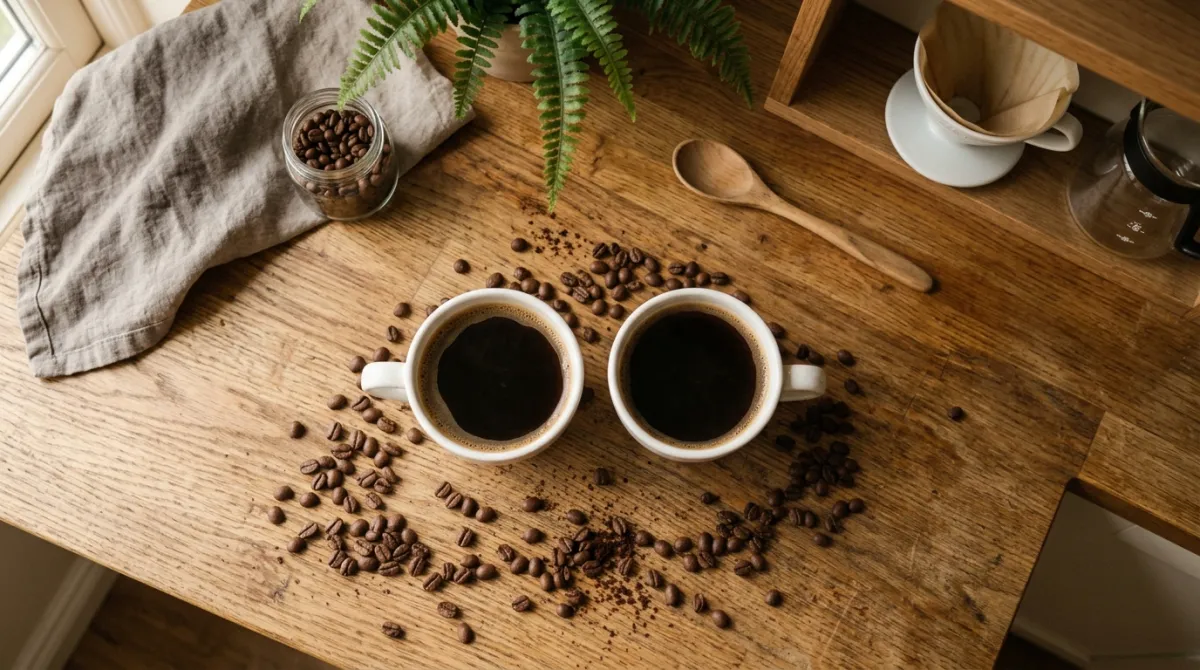
When you line up arabica vs robusta coffee side by side, the pattern is consistent: arabica wins on nuance, while robusta wins on strength, caffeine, crema, and affordability. The table below breaks down the differences I pay attention to most when buying or blending beans.
| Feature | Arabica | Robusta |
|---|---|---|
| Flavor | Sweeter, smoother, more complex | Stronger, harsher, more bitter |
| Acidity | Higher, brighter | Lower, flatter |
| Caffeine | Lower | About twice as much |
| Crema and body | Lighter crema, softer body | More crema, heavier body |
| Price | Higher | Lower |
| Common uses | Specialty, single origin, filter | Espresso blends, instant coffee |
| Growing conditions | High altitude, cool, delicate | Low altitude, hot, hardy |
Taste is the difference you will notice first. Brew both as filter coffee and the arabica will feel rounder and more layered, while the robusta hits harder and finishes bitter.
Caffeine is the difference that matters if you are sensitive to it. Robusta’s roughly double dose is great for a morning jolt but easy to overdo. The price gap follows naturally from how each plant grows. Robusta is cheaper because it is hardier and yields more with less fuss.
Roast level plays into this too. A heavier roast can mask some of arabica’s delicate notes, which is worth remembering when you compare a light roast vs dark roast bag on the shelf. If you want origin character, lean lighter; if you want bold and smoky, go darker. My light roast vs dark roast guide covers that side.
Which should you buy?
For most home brewers chasing flavor, 100% arabica is the smarter default, since it delivers the sweetness and complexity that make specialty coffee worth the extra cost. But robusta, or a blend that includes it, earns its spot when you want a stronger kick, a thicker crema, or a lower price per bag.
Ask yourself what you are brewing for. If you love bright, fruity pour overs and want to taste the origin, buy quality arabica. If you pull espresso and want that heavy crema and extra punch, a blend with some good robusta can be excellent.
In my experience, the worst coffee is not robusta itself, it is cheap, poorly processed robusta used purely to cut costs. High-grade specialty robusta exists and can be genuinely delicious, though it is still rare on store shelves.
Whatever you buy, dialing in your brew matters more than the label. Getting your coffee to water ratio right will do more for your cup than agonizing over species. Start with good beans, weigh them, and adjust from there.
My honest take: keep both around. I brew arabica for slow weekend mornings when I want to savor every note, and I keep a robusta-heavy espresso blend for the days I need a fast, strong shot. There is no single right answer, only the cup that fits the moment.
Frequently asked questions
Is arabica or robusta better?
Neither is universally better; it depends on what you want. Arabica tastes sweeter, smoother, and more complex, which is why it dominates specialty coffee. Robusta is stronger, more bitter, higher in caffeine, and cheaper, so it shines in espresso blends and instant coffee. Choose based on your taste and budget.
Does robusta have more caffeine than arabica?
Yes. Robusta contains roughly twice the caffeine of arabica. The plant uses caffeine as a natural defense against pests, and that higher concentration carries into your cup. If you want a stronger caffeine hit, robusta or a robusta-heavy blend delivers more per serving than pure arabica.
Why is robusta cheaper than arabica?
Robusta is cheaper because it is easier and more reliable to grow. It thrives at lower altitudes, tolerates heat and humidity, and resists disease and pests far better than arabica. Those hardy traits mean higher yields with less risk and lower labor, so robusta consistently costs less than more delicate arabica.
Is espresso arabica or robusta?
Espresso can be either, and often it is a blend of both. Many premium espressos use 100% arabica for sweetness and clarity. Traditional Italian-style blends add robusta for extra crema, body, and a stronger caffeine kick. Check the bag; the ratio shapes how bold and creamy your shot turns out.
Still curious about brewing better at home? Explore more brewing guides to fine-tune your grind, ratio, and technique. Once you know your beans, get your coffee to water ratio dialed in, then experiment with a light roast vs dark roast to find your perfect cup.
Keep brewing
Dial in your next cup with Brew Better Co.
Tested ratios, methods, and gear notes from a real home kitchen. New guides added regularly.
Explore all guides