beans
Light Roast vs Dark Roast: What's the Difference?
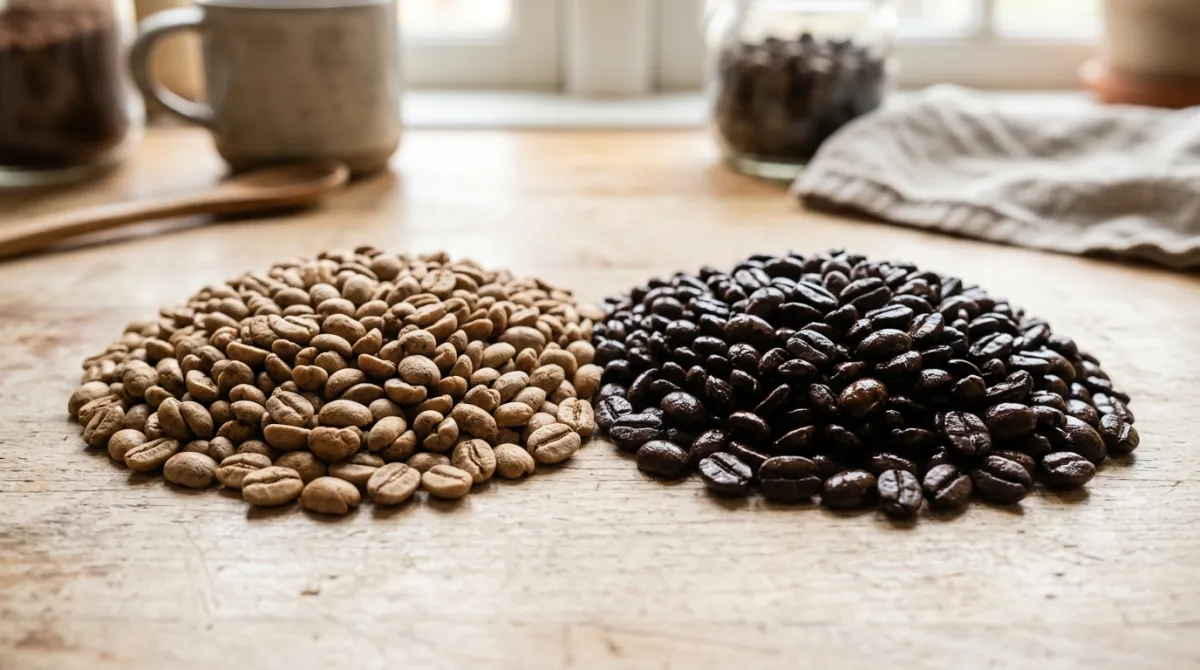
The light roast vs dark roast debate comes down to time in the roaster. Light roasts spend less time under heat, so they hold onto more of the bean’s original character. Dark roasts cook longer, which burns off delicate notes and builds bolder, roastier flavor.
After brewing daily for more than a decade, I can tell you the two taste like different drinks. One is bright and fruity. The other is deep and smoky. Neither is “better,” but each fits a different cup and a different morning.
Key Takeaways
- Light roasts are roasted for less time, so they taste brighter, more acidic, and keep more origin flavor.
- Dark roasts are roasted longer, so they taste bolder, roastier, and more bitter with an oily surface.
- By weight, caffeine is nearly identical, with light roast being very slightly higher.
- Light roast shines in pour over and filter; dark roast suits French press, espresso, and moka.
- Density matters: light beans are denser, so a scoop of light roast holds a touch more coffee.
Light roast vs dark roast: what is the difference?
Light roasts are roasted for less time, so they keep more of the bean’s origin flavor, taste brighter and more acidic, and are denser. Dark roasts are roasted longer, so they taste bolder, roastier, and more bitter, with less acidity and an oily sheen on the surface.
Here is how the two stack up side by side:
| Feature | Light roast | Dark roast |
|---|---|---|
| Roast time and color | Shorter roast, light brown, dry surface | Longer roast, dark brown to near black |
| Flavor | Fruity, floral, tea-like, origin-forward | Bold, smoky, chocolatey, roasty |
| Acidity | Higher, bright and lively | Lower, mellow and smooth |
| Body | Lighter, cleaner mouthfeel | Fuller, heavier mouthfeel |
| Oil on surface | None to very little | Visible oily sheen |
| Best brew methods | Pour over, filter, drip | French press, espresso, moka pot |
What is a light roast?
A light roast is coffee pulled from the roaster shortly after the beans crack for the first time. Because they see less heat, they keep more of what makes each origin unique. Think bright berry notes from an Ethiopian bean or crisp citrus from a Kenyan lot.
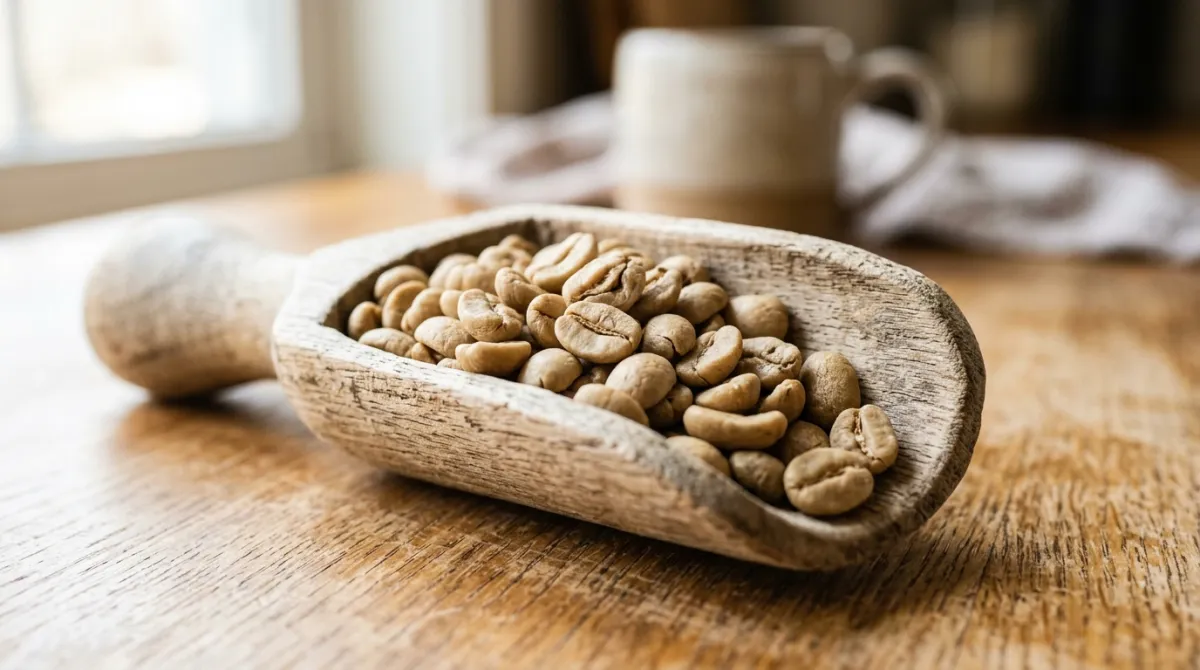
Light roast beans look pale brown and feel dry to the touch. There is no oil on the surface, since oils have not been drawn out yet. The beans are also denser and harder, which matters when you grind and scoop.
In my experience, light roasts reward good technique. When I first started, I under-extracted them and got thin, sour cups. Once I dialed in a finer grind and hotter water, the flavors opened up beautifully. If your light roast tastes sharp or flat, read why is my coffee bitter or sour for a quick fix.
What is a dark roast?
A dark roast is coffee taken further in the roaster, often to or past the second crack. The longer heat caramelizes sugars and burns off the brighter, more delicate notes. What you get instead is depth: chocolate, toasted nuts, and a smoky edge.
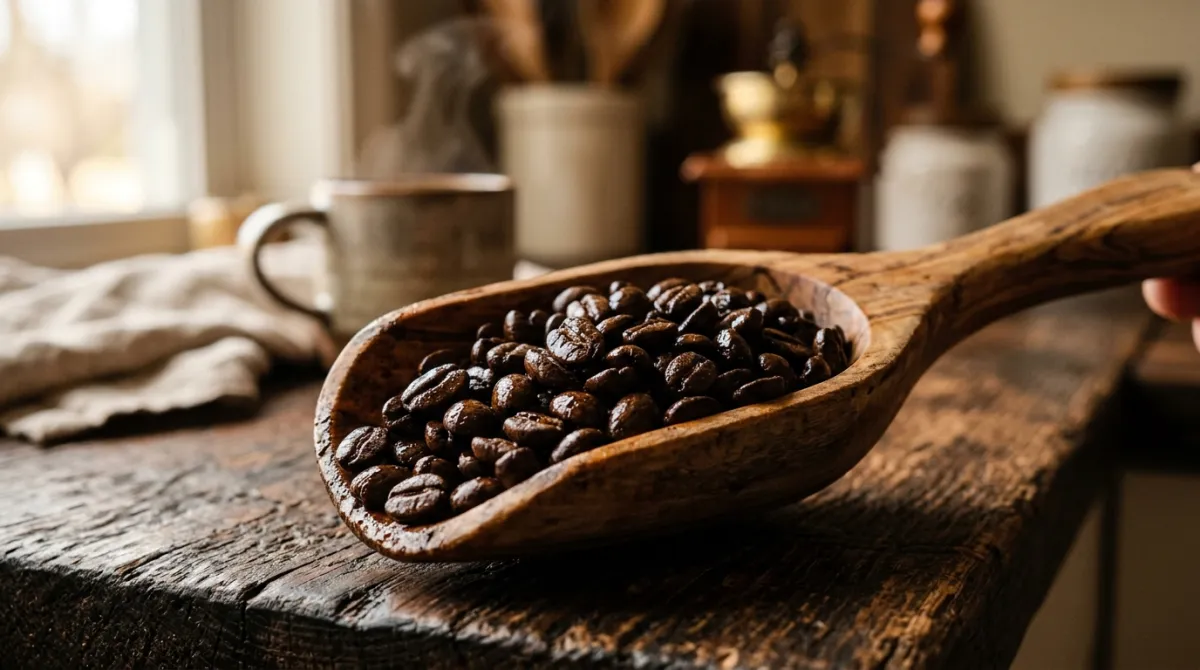
Dark roast beans look deep brown, sometimes almost black, with a shiny coat of oil on the surface. That oil is a telltale sign the beans went long. They are lighter and more brittle than light roasts, since roasting drives out moisture and breaks down the bean structure.
Dark roasts are forgiving. They pull a consistent, bold cup even when your grind or water is a little off. That is why so many espresso blends lean dark. The roast itself carries the flavor, so small brewing mistakes matter less.
Flavor, acidity, and caffeine compared
Flavor is where these roasts split hardest. Light roasts taste bright, fruity, and acidic. Dark roasts taste bold, bitter, and smooth. Acidity drops as roast time climbs, so the darker you go, the mellower and rounder the cup gets.
Now the myth worth clearing up: caffeine. Many people believe dark roast is far stronger, and that is not accurate. By weight, light and dark roast hold very similar caffeine, with light roast running very slightly higher. Roasting does not destroy much caffeine at all.
The confusion comes from how you measure. Light roast beans are denser, so a scoop by volume packs a bit more coffee and a bit more caffeine. Weigh your dose on a scale instead, and the difference between the two is negligible. So “dark roast is weaker” is mostly a measuring illusion, not a real gap.
The bean type shapes caffeine far more than the roast. Robusta carries roughly double the caffeine of arabica, which is a bigger lever than roast level ever will be. Learn the split in arabica vs robusta.
Which roast should you choose and how to brew each?
Choose the roast that fits your taste and your gear. If you love bright, complex, tea-like cups, go light. If you want bold, smoky, comforting coffee that stands up to milk, go dark. There is no wrong answer, only preference.
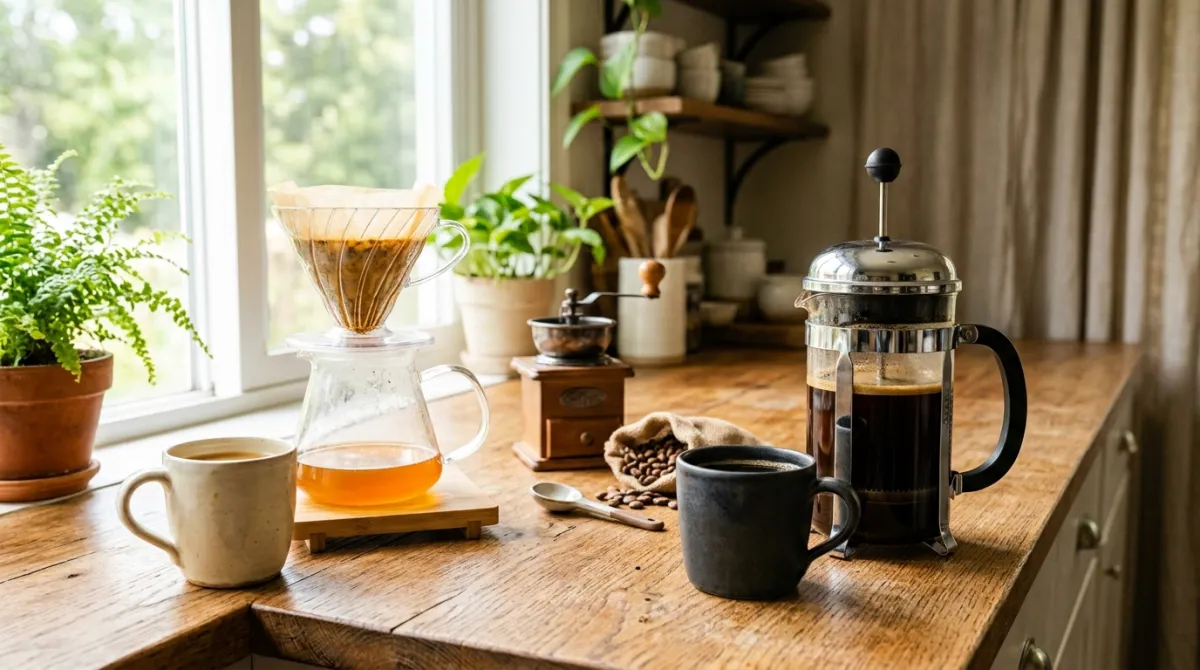
For light roasts, reach for pour over, filter, or drip. These methods highlight clarity and let the origin flavors sing. Use slightly hotter water, near boiling, and grind a touch finer to pull out those bright notes fully. This is where a careful, clean brew pays off.
For dark roasts, lean on French press, espresso, and moka pot. These build the full body and rich crema that dark beans do best. The heavier extraction matches the bold flavor, and the roast masks minor slip-ups. Milk drinks especially love a dark roast base.
One habit I swear by: match your grind to the roast, not just the machine. Dark beans are brittle and grind faster, so I nudge my dark roast grind slightly coarser to avoid over-extraction and bitterness.
Frequently asked questions
Does light roast have more caffeine than dark roast?
By weight, light roast has very slightly more caffeine, but the difference is small enough to ignore. The real gap shows up when you scoop by volume. Light roast beans are denser, so a scoop holds more coffee and a touch more caffeine. Weigh your dose and the roasts are nearly equal.
Is light or dark roast stronger?
It depends on what you mean by strong. For bold, intense flavor, dark roast wins with its smoky, roasty punch. For caffeine, the two are about the same by weight. So dark roast tastes stronger, but it does not actually deliver much more of a caffeine kick than light roast.
Is dark roast more bitter?
Yes, dark roast is generally more bitter. Longer roasting caramelizes and then partly chars the sugars, which builds bitter, smoky notes and strips away brightness. Light roast tends toward acidity and fruit instead. If any roast tastes harshly bitter to you, your grind or brew time is likely the culprit, not just the roast.
Which roast is healthier?
Neither roast is clearly healthier, and both are simply coffee. Light roasts keep slightly more of certain plant compounds from the raw bean, while dark roasts develop other compounds during roasting. For most people, the choice comes down to taste, not health. Pick the flavor you enjoy and drink it in moderation.
Ready to pull a better cup, whichever roast you love? Explore more brewing guides to dial in your grind, water, and method with confidence.
Keep brewing
Dial in your next cup with Brew Better Co.
Tested ratios, methods, and gear notes from a real home kitchen. New guides added regularly.
Explore all guides