troubleshooting
Why Is My Coffee Bitter or Sour? Causes and Fixes

If your morning cup keeps making you wince, you are asking the right question: why is my coffee bitter, or why does it turn out sour instead? After brewing daily for more than ten years, I can tell you the answer is almost always the same. Bitter usually means you pulled too much out of the grounds. Sour usually means you did not pull enough.
Both problems come from the same place, and both are fixable in about a minute. In this guide, I will show you how to tell bitter from sour, what causes each one, and the exact adjustments I make on my own counter to fix them.
Key Takeaways
- Bitter coffee is usually over-extracted: grind too fine, water too hot, or brew too long.
- Sour coffee is usually under-extracted: grind too coarse, water too cool, or brew too short.
- The National Coffee Association recommends brew water between 195 and 205°F for balanced extraction.
- Grind size, water temperature, time, and ratio are the four levers you adjust.
- Fresh, properly roasted beans matter as much as your technique.
Why is my coffee bitter or sour?
Your coffee tastes bitter because it is over-extracted, and it tastes sour because it is under-extracted. That is the short version. Bitterness comes from pulling too much out of the grounds, often from a grind that is too fine, water that is too hot, or a brew that runs too long. Sourness is the opposite problem: not enough got dissolved.
Think of every brew as a dial. Turn it too far one way and you get harsh, dry bitterness. Turn it too far the other way and you get sharp, sour, thin coffee. The sweet spot sits in the middle, and small tweaks move you toward it.
In my experience, most home brewers land on one side consistently. If your coffee is almost always bitter, your process is running hot, fine, or long. If it is usually sour, you are running cool, coarse, or short. Once you know which camp you are in, the fix is straightforward.
Bitter vs sour: how to tell them apart
Bitter and sour show up in different parts of your mouth, which makes them easy to separate once you know the signals. Bitterness feels dry, harsh, and lingering, often at the back of your tongue. Sourness hits fast and sharp near the front and sides, like biting into an underripe lemon. Balanced coffee tastes sweet, round, and clean.
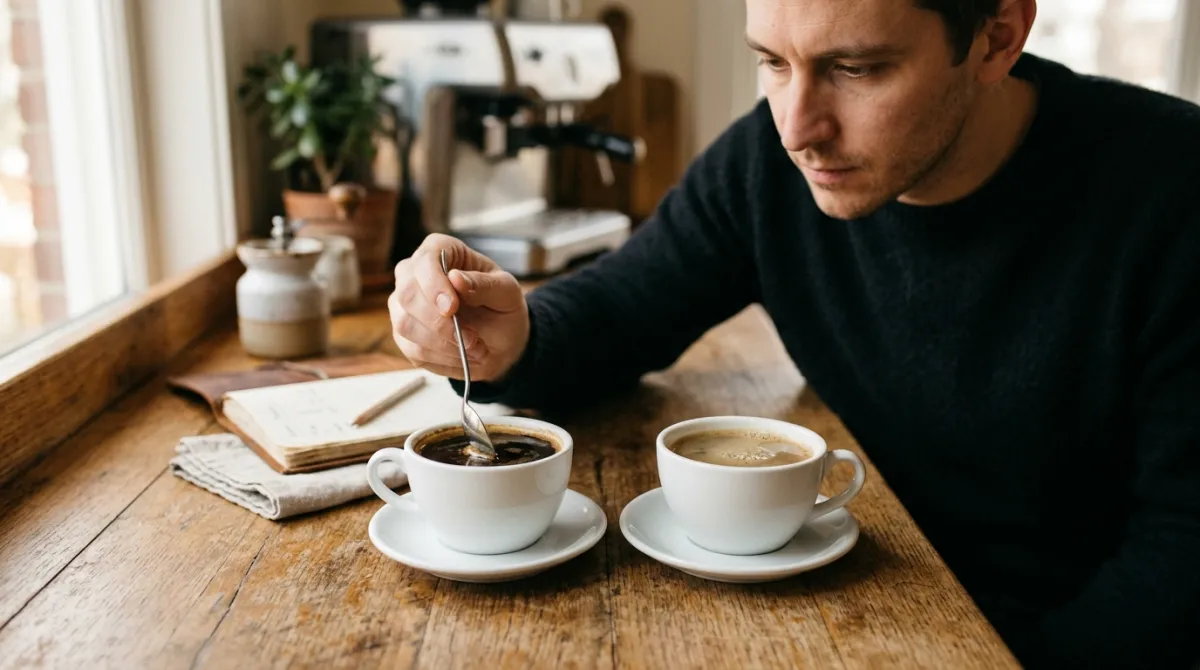
Here is a quick test I use. Take a sip and wait a few seconds. Does the taste dry out your mouth and stick around unpleasantly? That is bitter. Does it pucker your cheeks and fade quickly with a tart edge? That is sour.
One thing worth knowing: some people confuse sour with acidity. Bright, pleasant acidity in a light roast is a good thing. Sourness is acidity without the sweetness and body to balance it, which usually points to under-extraction rather than the beans themselves.
A fast at-home check
Pour two cups from the same batch and taste them side by side over ten minutes. Coffee that grows more drinkable and sweeter as it cools was probably fine. Coffee that stays harsh and drying was over-extracted. This cooling test has saved me from blaming the beans when my grind was the real problem.
Why your coffee tastes bitter (and how to fix it)
Bitter coffee is over-extracted coffee, and roughly every bitter cup I have fixed came down to one of four causes: grind too fine, water too hot, brew too long, or beans past their prime. When water spends too long in contact with grounds that are too fine, it dissolves the harsh compounds that come out last.
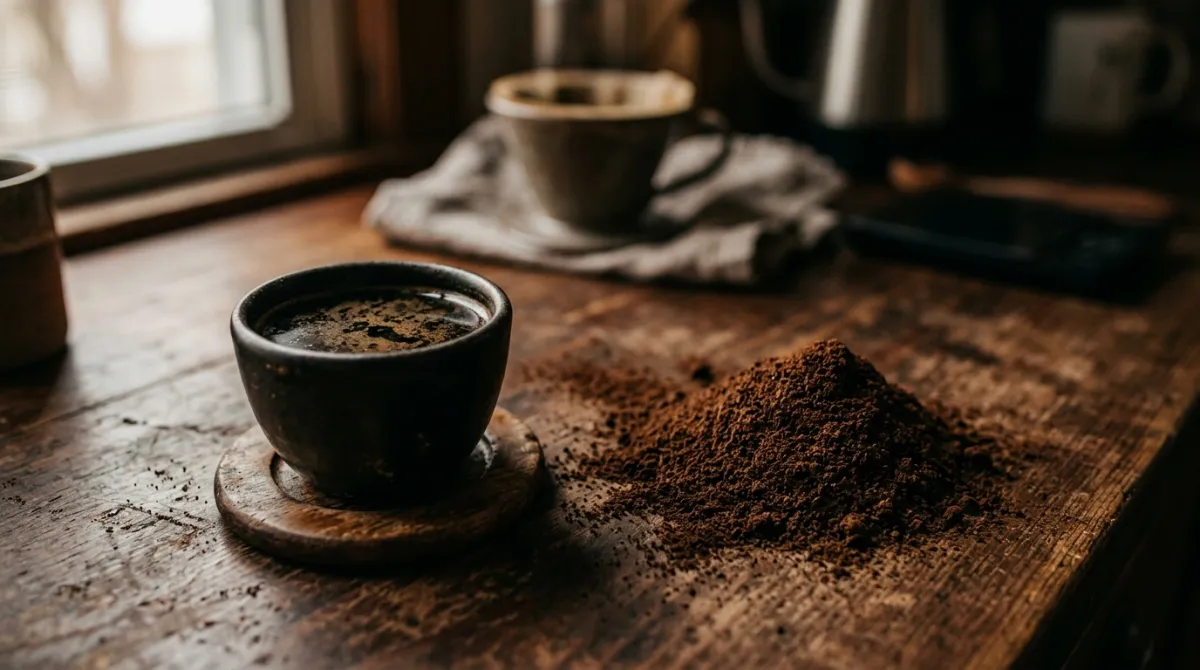
Start with grind. A finer grind exposes more surface area and speeds extraction, so if your coffee bites, go one or two steps coarser. This is the single fastest fix, and it is where I always look first.
Next, check your water temperature. Boiling water sitting right at 212°F scorches grounds and drags out bitterness. Let the kettle rest for about 30 seconds off the boil to land closer to 195 to 200°F. If you dial in your grind size for pour over, you will notice temperature matters even more.
Then shorten the brew. A pour over that drains slowly, or a French press that steeps for eight minutes, keeps pulling long after the good flavors are gone. Cut the contact time and reduce how much coffee-to-water contact drags on.
Finally, look at your beans. Over-roasted dark beans and stale, oxidized beans both taste bitter no matter how well you brew. Fresh beans, ideally within a month of roast, give you a cleaner starting point.
The order I troubleshoot bitterness
I adjust one thing at a time so I know what worked. First grind coarser. If it is still bitter, cool the water. Still bitter, shorten the brew. Change everything at once and you will never learn your setup.
Why your coffee tastes sour (and how to fix it)
Sour coffee is under-extracted coffee, meaning the water did not dissolve enough flavor before it left the grounds. The usual suspects are a grind that is too coarse, water that is too cool, or a brew that ended too soon. Light roasts are especially prone to sourness because they are denser and need more work to extract fully.
Fix it by grinding finer. A finer grind slows the water down and gives it more surface to pull from, which raises extraction and rounds out that tart edge. Go one or two steps finer and taste again.
Raise your water temperature too. Cool water is lazy water. Push toward 205°F for light and medium roasts so the grounds give up their sweetness. If you are brewing straight off a slightly cooled kettle and getting sourness, that is often the culprit.
Extend the brew time slightly. A pour over that finishes too fast, or a press you plunge early, cuts extraction short. Add a bit of steep time or slow your pour. Getting your coffee to water ratio right also helps, since too much coffee for your water can leave every ground under-extracted.
The pattern behind sourness is simple: your coffee needs more. More fineness, more heat, or more time. Nudge those levers up and the tartness gives way to sweetness.
The one idea behind both: extraction
Bitter and sour are two ends of one dial called extraction, and understanding that single idea fixes most brewing problems. Under-extracted coffee tastes sour and thin. Over-extracted coffee tastes bitter and harsh. Balanced extraction, somewhere in the middle, tastes sweet with clean acidity and real body.
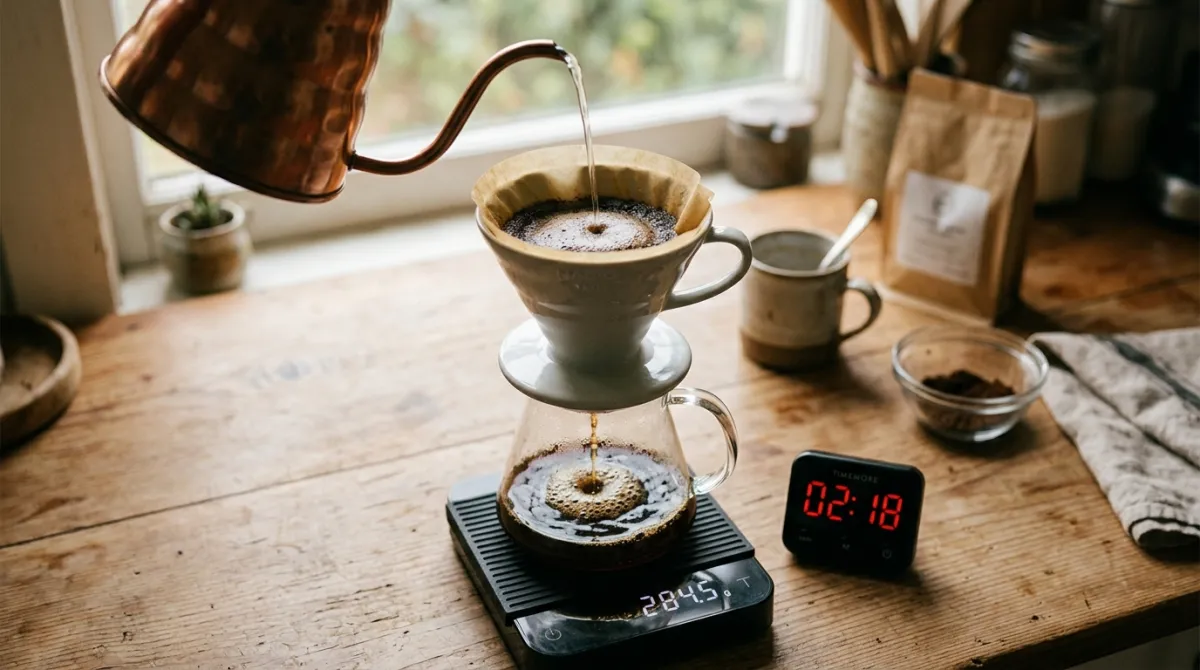
You control extraction with four levers, and they all interact. Grind size changes how fast water flows and how much surface it touches. Water temperature changes how aggressively it dissolves flavor. Time sets how long the two stay in contact. Ratio decides how much coffee the water has to work through.
Here is the mental model I have relied on for years. If a cup is sour, extract more: finer grind, hotter water, longer time. If it is bitter, extract less: coarser grind, cooler water, shorter time. The National Coffee Association recommends brewing between 195 and 205°F (National Coffee Association), which gives you a reliable temperature window to work within while you adjust the other three levers.
The mistake I see most often is changing two levers at once. Move one, taste, then decide. That discipline turns guesswork into a repeatable recipe.
Quick fixes by brew method
Each brewer over-extracts or under-extracts in its own way, so the fastest fix depends on your gear. Below are the adjustments I reach for first with the four methods most home brewers use. Match your symptom, make one change, and taste before you tweak anything else.
Drip machine. If it is bitter, coarsen the grind and clean the machine, since old oils add harshness. If it is sour, your machine’s water may run cool, so try a finer grind to compensate.
Pour over. Bitter usually means your pour is too slow or your grind too fine, so speed up and coarsen. Sour means water is draining too fast, so grind finer and pour more gently.
French press. Bitterness almost always comes from over-steeping, so plunge at four minutes instead of eight. Sourness means too coarse or too cool, so grind a touch finer and use hotter water. Dialing in your French press coffee ratio fixes both at once.
Espresso. A bitter shot that runs slow needs a coarser grind or a lower temperature. A sour shot that gushes out fast needs a finer grind to slow the flow and build extraction.
Frequently asked questions
Is bitter coffee over or under extracted?
Bitter coffee is over-extracted. It happens when water pulls too much from the grounds, usually because the grind is too fine, the water is too hot, or the brew ran too long. Coarsen your grind, cool the water toward 195 to 200°F, and shorten the contact time to fix it.
Why does my coffee taste sour?
Sour coffee is under-extracted, so the water did not dissolve enough flavor before it drained. Common causes are a grind that is too coarse, water that is too cool, or a brew that ended too soon. Grind finer, use hotter water near 205°F, and extend the brew time slightly.
How do I make coffee less bitter?
Grind coarser first, since that is the fastest fix for bitterness. Then let your kettle rest about 30 seconds off the boil to cool the water, shorten the brew or steep time, and switch to fresh beans. Over-roasted and stale beans add bitterness no matter how carefully you brew.
Does grind size cause bitter coffee?
Yes, grind size is a leading cause of bitter coffee. A grind that is too fine exposes more surface area and slows water flow, which over-extracts and pulls out harsh flavors. Going one or two steps coarser often removes the bitterness on its own, which is why I always adjust grind first.
Bitter and sour are not two different problems, they are the same dial pointed in opposite directions. Once you learn to read your cup and move one lever at a time, you will fix both faster than you can rebrew. Start with grind, respect the 195 to 205°F window, and let your taste guide the rest. For more ways to sharpen your setup, browse our more brewing guides and keep dialing in that perfect cup.
Keep brewing
Dial in your next cup with Brew Better Co.
Tested ratios, methods, and gear notes from a real home kitchen. New guides added regularly.
Explore all guides