troubleshooting
How Long Does Cold Brew Last? (Fridge Storage Guide)
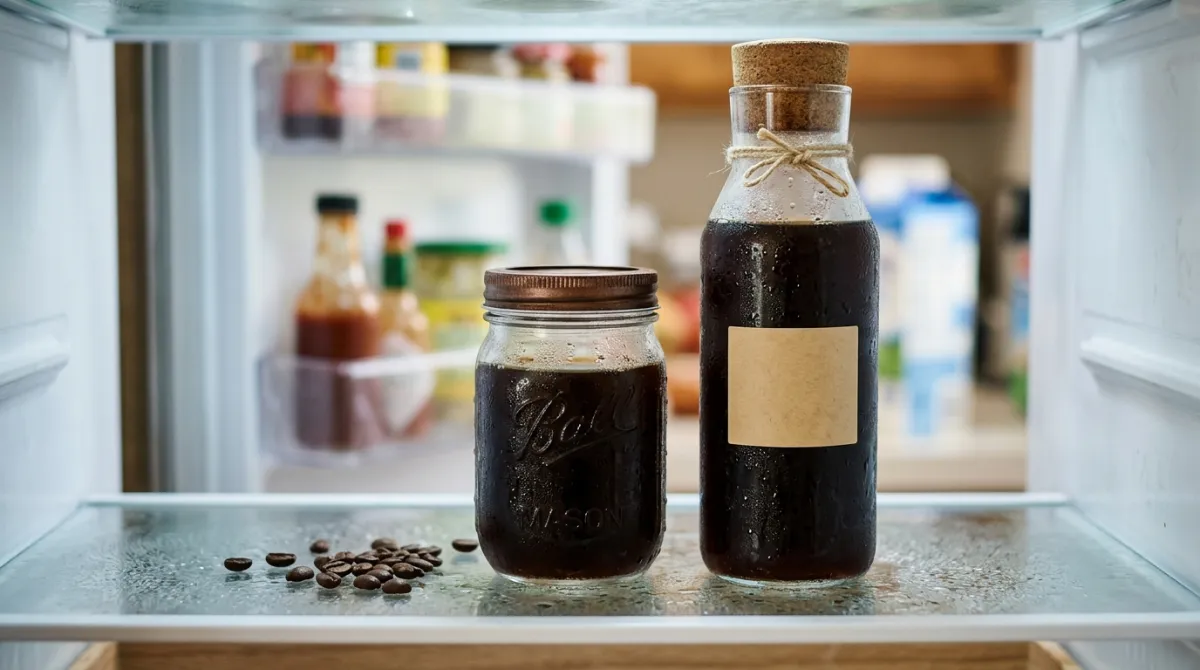
Cold brew is forgiving, but it is not immortal. If you have ever found a jar of it hiding at the back of your fridge and wondered whether it is still good, you are asking the right question. So how long does cold brew last? The short answer: it depends on whether you have diluted it and whether milk is involved.
I have brewed cold brew in big batches every summer for years, and I have learned the timelines the practical way, by tasting, sniffing, and occasionally pouring a sad glass down the drain. Here is how long each version keeps, how to stretch that window, and how to tell when it is time to let go.
Key Takeaways
- Undiluted cold brew concentrate lasts about 1 to 2 weeks in the fridge when sealed and cold.
- Once you dilute concentrate with water, drink it within a few days for the best flavor.
- Cold brew mixed with milk should be finished within about 2 days.
- Store it concentrated in an airtight container and dilute each glass as you pour.
- Trust your senses: a sour smell, funky taste, oily film, or mold means throw it out.
How long does cold brew last?
Undiluted cold brew concentrate lasts about 1 to 2 weeks in the fridge, kept sealed and cold. Once you dilute it with water, it is best within a few days. Cold brew mixed with milk is the most perishable and should be finished within roughly 2 days.
Why the big spread? Concentrate is your longest-lasting form because it is strong and undiluted, with nothing added to spoil quickly. The moment you add water, you are diluting flavor and freshness together, so the clock speeds up. Add dairy or a plant milk, and you introduce ingredients that go off far faster than coffee alone.
In my own kitchen, a jar of plain concentrate reliably tastes good through about day 10, then starts to fade. It does not turn dangerous overnight; it just goes flat and dull. That flavor drop is your cue to brew a fresh batch. If you want a refresher on the whole process, my guide to how to make cold brew coffee walks through it start to finish.
One thing worth saying up front: these are general storage windows, not lab guarantees. Fridge temperature, how clean your container is, and how you brewed all nudge the numbers. When in doubt, your nose and taste buds are the final judges.
Concentrate vs diluted vs with milk: storage times
The form your cold brew is in matters more than anything else for shelf life. Plain concentrate holds up longest, diluted cold brew sits in the middle, and anything with milk drops off fast. Here is a quick reference you can screenshot for the fridge door.
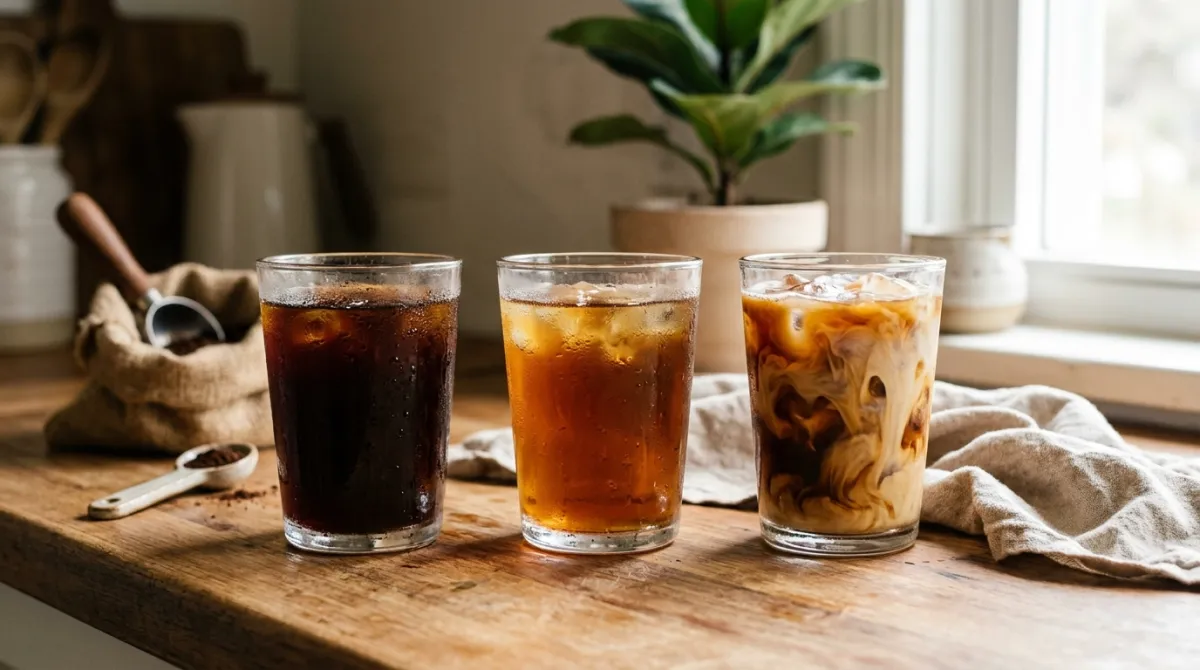
| Form | Best-by time in the fridge |
|---|---|
| Concentrate (undiluted) | About 1 to 2 weeks |
| Diluted with water | Best within a few days |
| With milk or cream | Finish within about 2 days |
The pattern is simple. The less you add and the stronger you keep it, the longer it lasts. This is exactly why I brew and store a concentrate, then dilute it glass by glass rather than watering down the whole batch at once.
If you are not sure how strong to brew in the first place, the strength you choose changes how long a batch lasts you and how you dilute it. My breakdown of the ideal cold brew coffee ratio covers the concentrate-to-water math so you can size a batch to your week.
A quick note on milk drinks: if you build a cold brew latte and do not finish it, the dairy is what spoils, not the coffee. Treat a milk-based cold brew like you would treat any glass of milk left in the fridge. Two days is a sensible ceiling, and sooner is better.
How to store cold brew so it lasts longer
Storage is where you win or lose days of freshness, and the fixes are easy. Keep your cold brew cold, sealed, and concentrated, and you will get the full 1-to-2-week window instead of a batch that fades early. Small habits make a real difference here.
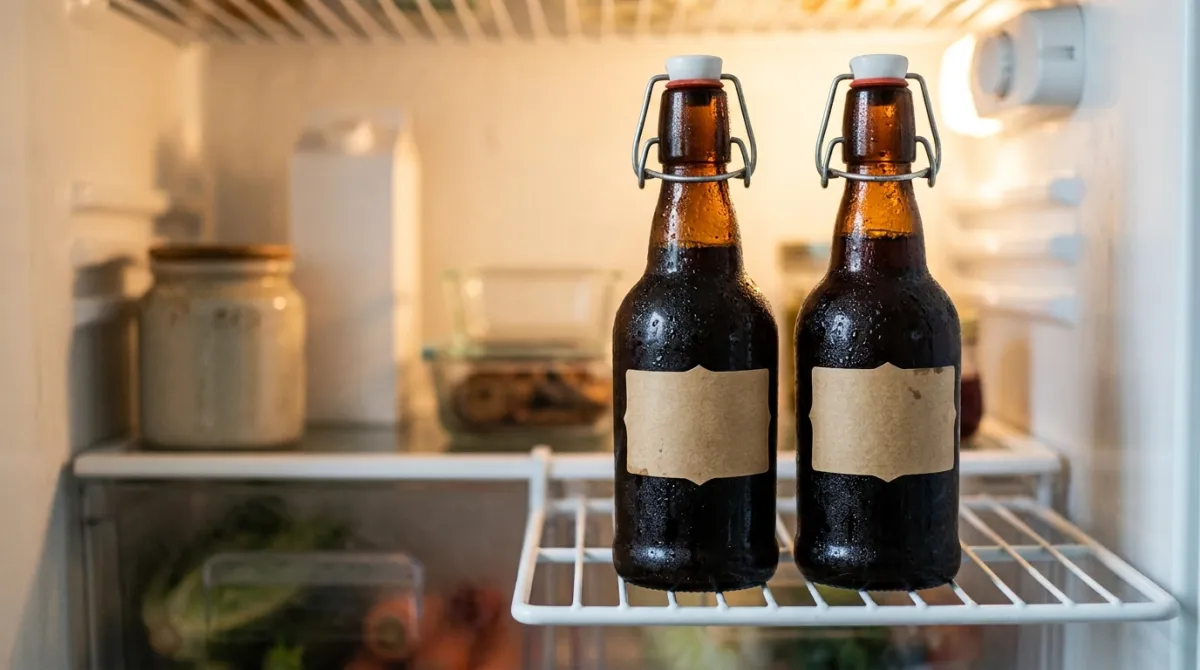
Keep it cold and sealed. Store cold brew in an airtight container in the fridge, not on the counter. Air and warmth both dull the flavor and speed spoilage. A jar with a tight lid or a sealed bottle works far better than a loosely covered pitcher. The National Coffee Association’s general advice for brewed coffee is to keep it cold and covered, and cold brew is no exception (National Coffee Association).
Store it concentrated. Keep the batch as concentrate and add water or milk one glass at a time. Concentrate lasts longer, takes up less fridge space, and lets everyone dial in their own strength. I have found this single habit stretches a batch further than anything else.
Keep it away from the fridge door. The door is the warmest, most temperature-swingy spot in your fridge because it is exposed every time you open it. Store your cold brew toward the back on a shelf, where the temperature stays steady and cold.
Strain out the grounds promptly. This is the tip people skip. If you leave the coffee grounds sitting in the brew after steeping, they keep extracting, and your cold brew turns bitter and shortens its usable life. Strain thoroughly once steeping is done, and store only the clean liquid. Ever tasted a cold brew that went harsh and astringent by day three? Leftover grounds are usually why.
Signs your cold brew has gone bad
Your senses are the most reliable test, and cold brew tells on itself when it is past its prime. The clearest warning signs are a sour or off smell, a funky or fermented taste, an oily film on the surface, or any visible mold. Any one of these means it is time to pour it out.

Start with a sniff. Fresh cold brew smells rich, sweet, and roasty. If it smells sour, sharp, or vaguely fermented, that is your answer, and you do not need to taste it to confirm.
Next, look at it. A thin, oily-looking film across the top or any specks of mold are hard stops. Mold in particular is a throw-it-out-immediately situation, no negotiating.
Finally, if it passes the smell and sight checks but you are still unsure, take a tiny sip. A funky, off, or fermented taste means the batch is done. Fresh cold brew tastes clean and smooth, even after a week. Anything sour or weird is spoilage, not a new flavor note.
When in doubt, throw it out. Cold brew is cheap and easy to make again. A questionable jar is never worth the gamble, and I have never once regretted dumping one and starting fresh.
Does cold brew go bad, and is it safe to drink old?
Yes, cold brew does go bad eventually, like any brewed coffee. It will not last forever in the fridge, and the safest approach is simple: if it smells or tastes off, discard it. Coffee that has merely gone flat is a flavor problem, not necessarily a safety one, but spoilage is a clear stop.
Here is the honest framing. This is general food-storage guidance drawn from experience and standard kitchen practice, not a laboratory verdict on your specific jar. I cannot tell you the exact hour your batch turns, because your fridge, your container, and your brewing cleanliness all play a part.
What I can tell you is how to stay on the safe side. Keep cold brew refrigerated, keep it sealed, and pay attention to the signs above. If concentrate is pushing past two weeks, or a milk drink is past two days, lean toward tossing it even if it seems okay. Old coffee that is simply stale tastes dull and lifeless, which is reason enough to brew again.
The bottom line on safety: use your senses, respect the timelines, and do not drink anything that smells sour, looks filmy, or tastes fermented. Freshness and safety usually fail together, and your nose will flag it early.
Frequently asked questions
How long does cold brew last in the fridge?
Cold brew concentrate lasts about 1 to 2 weeks in the fridge when sealed in an airtight container and kept cold. Diluted cold brew is best within a few days, and cold brew with milk should be finished within about 2 days. Store it toward the back, not the door.
Can you drink week-old cold brew?
Week-old cold brew concentrate is usually fine if it has been sealed and refrigerated the whole time and still smells and tastes clean. By a week, plain concentrate is often near the tail end of its flavor peak. Give it a sniff and a small sip first, and skip it if anything seems sour or off.
Does cold brew go bad?
Yes, cold brew goes bad eventually, like any brewed coffee. Concentrate holds up longest at about 1 to 2 weeks refrigerated, while diluted and milk-based versions spoil sooner. Keeping it cold, sealed, and free of leftover grounds slows the decline. Watch for a sour smell, oily film, or mold as your signals to discard.
How can you tell if cold brew is bad?
Trust your senses. Bad cold brew smells sour or fermented, tastes funky or off, may show an oily film on top, or develops visible mold. Fresh cold brew smells roasty and sweet and tastes clean. If any warning sign shows up, throw it out rather than risk it.
Cold brew rewards a little planning: brew a strong concentrate, store it cold and sealed, and dilute as you go. Do that, and you will have smooth coffee ready all week without waste. For more batch tips, ratios, and brewing walkthroughs, browse my other more brewing guides and keep your fridge stocked with something worth pouring.
Keep brewing
Dial in your next cup with Brew Better Co.
Tested ratios, methods, and gear notes from a real home kitchen. New guides added regularly.
Explore all guides