caffeine
How Long Does Caffeine Last? A Brewer's Guide
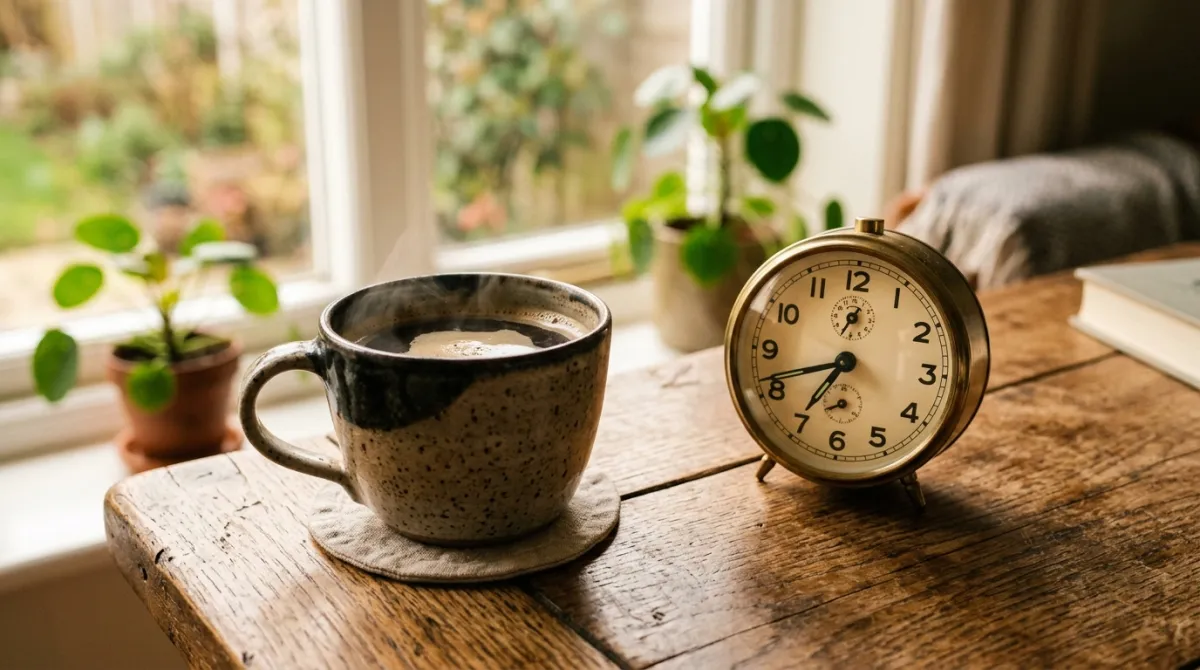
Caffeine’s effects typically peak around 30 to 60 minutes after you drink your coffee and last for several hours, with a half-life of about 4 to 6 hours in most healthy adults. That means the buzz you feel at breakfast can quietly linger into the afternoon. After ten years of brewing a cup (or three) every single morning, I’ve learned that “how long does caffeine last” isn’t a single number. It depends on your body, your habits, and even your genes. Let’s walk through what actually happens after that first sip, why the timing matters for sleep, and how to keep the jitters in check.
Key Takeaways
- Caffeine’s effects usually peak around 30-60 minutes after drinking and last several hours.
- The half-life is roughly 4-6 hours, meaning half the caffeine can still be in your system by mid-afternoon.
- Genetics, liver metabolism, pregnancy, age, smoking, and some medications all change how fast you clear it.
- Drinking coffee within about 6 hours of bed can disrupt sleep quality for many people.
- Individual limits vary widely, so check with a doctor about what’s right for you.
How quickly does caffeine kick in?
Caffeine reaches your bloodstream fast, with noticeable effects usually starting within 15 to 20 minutes and peaking around 30 to 60 minutes after your cup. Your small intestine absorbs most of it, then it travels to the brain, where it blocks the drowsy signals of a chemical called adenosine. That’s the lift you feel.
In my experience, the “kick” isn’t just about alertness. It’s a gentle rise, not a switch flip. On an empty stomach I feel it sooner, maybe closer to 15 minutes. After a big breakfast, it drags a little longer because food slows absorption.
I’ve timed my own morning routine for years, and my sharpest focus window lands roughly 45 minutes after the last sip. It’s remarkably consistent, which is why I brew before I need to think, not while I already do.
Want to know how much you’re actually drinking? See our guide on how much caffeine is in a cup of coffee.
What does caffeine’s half-life actually mean?
Caffeine’s half-life is roughly 4 to 6 hours in most healthy adults, meaning that’s how long your body takes to clear half of what you consumed. If you drink 200 milligrams at 8 a.m., about 100 milligrams may still be circulating around noon or early afternoon. The rest fades gradually after that.
Here’s the plain-English version. Half-life doesn’t mean the caffeine vanishes at the halfway mark. It means the amount keeps halving over time. So a portion sticks around far longer than most people expect.
This is why an afternoon coffee can quietly sabotage sleep even if you feel totally fine at bedtime. You’re not wired, but a measurable dose may still be active. The absence of jitters doesn’t mean the absence of caffeine.
Cold brew is worth a special mention here. Because it’s often more concentrated, the starting dose can be higher, which stretches out how long the effects linger. Our breakdown of caffeine in cold brew explains why.
What affects how long caffeine lasts?
How long caffeine lasts varies a lot from person to person, mainly because your liver does most of the processing, and everyone’s liver works at a different pace. Genetics play a big role, along with age, pregnancy, smoking, and certain medications. Two people can drink identical cups and feel completely different for hours.
Genetics and liver metabolism
Your liver breaks down caffeine using specific enzymes, and the genes controlling those enzymes differ between people. Some folks are “fast metabolizers” who clear caffeine quickly. Others process it slowly, so the effects last noticeably longer. You can’t change your genes, but you can notice your own pattern.
Pregnancy, age, and lifestyle
Pregnancy can dramatically slow caffeine clearance, sometimes stretching the half-life much longer than usual. That’s why pregnant people are generally advised to limit intake and talk to their doctor. Smoking tends to speed clearance, while some medications slow it. Age matters too, since metabolism shifts over a lifetime.
The type of coffee bean can also nudge your total dose. Robusta beans usually carry more caffeine than arabica, as we cover in arabica vs robusta, so your bean choice shapes how much you’re metabolizing in the first place.
How does caffeine affect sleep?
Caffeine can disrupt sleep when consumed within about 6 hours of bedtime, because a meaningful amount may still be active in your system. Even if you fall asleep fine, it can reduce deep, restorative sleep. Many people don’t connect a restless night to the coffee they had at 4 p.m.
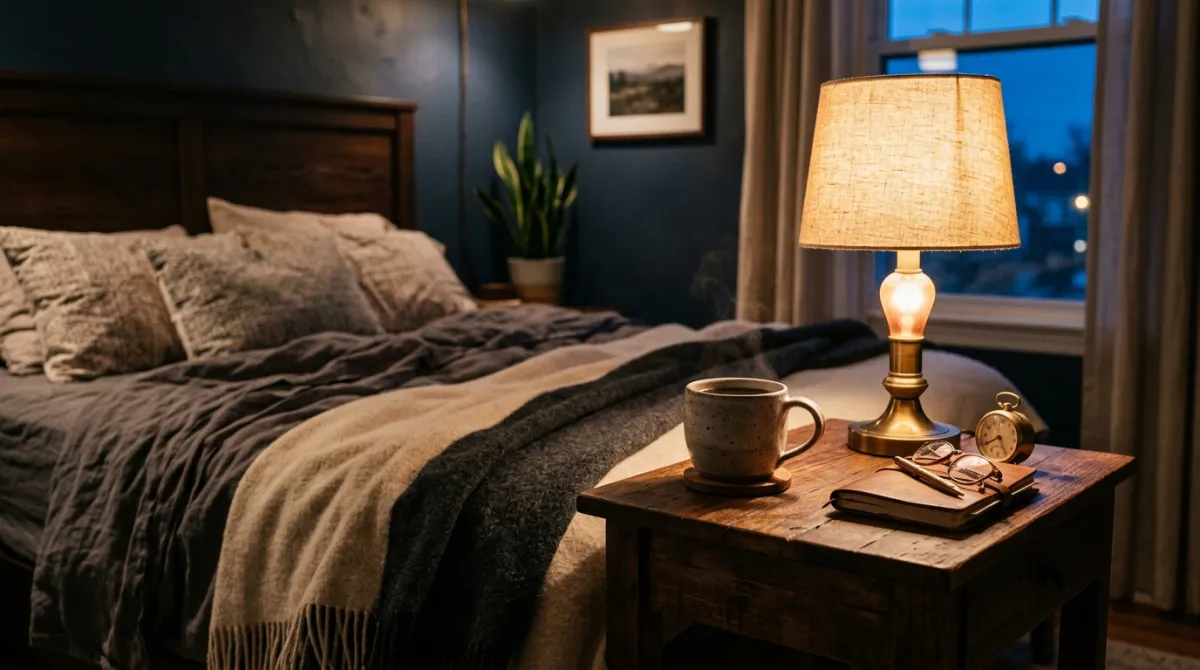
Think back to that half-life. An afternoon cup at 3 p.m. could leave a quarter of the dose still working near midnight. For sensitive sleepers, that’s enough to matter.
I set myself a hard cutoff years ago: no caffeine after about 2 p.m. The difference in my sleep was obvious within a week. When I slip and have a late espresso, I feel it, staring at the ceiling and wondering why.
Is a little afternoon coffee always a problem? Not for everyone. Fast metabolizers often tolerate later cups just fine. The key is paying attention to your own body’s signals.
How can you reduce caffeine jitters?
You can ease caffeine jitters by drinking water, eating something, spacing out your cups, and simply consuming less over the day. Jitters usually mean you’ve had more than your system comfortably handles, often on an empty stomach. The feeling fades as your body metabolizes the caffeine over the following hours.
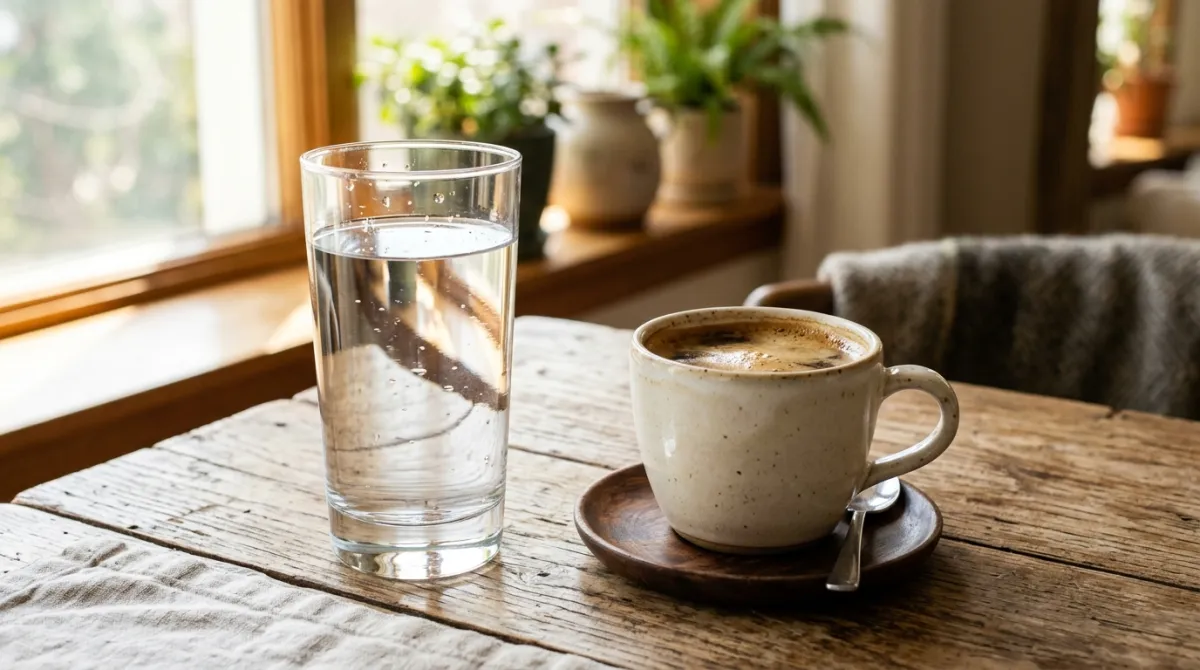
A few habits help me stay in the comfortable zone. I pair coffee with food, sip water alongside it, and never slam a large cup fast. Slower drinking spreads the dose out.
If you regularly feel jittery, anxious, or shaky, that’s worth taking seriously. Cutting back gradually avoids the headaches that can come with a sudden stop. And because everyone’s tolerance is different, there’s no universal “safe” amount. Talk to a doctor about the right limit for you, especially if you’re pregnant, on medications, or managing a health condition.
Frequently asked questions
How long does caffeine stay in your system?
Caffeine’s half-life is about 4 to 6 hours in most healthy adults, so half the dose is cleared in that window. Because it halves repeatedly, small amounts can linger for many hours after that. Your exact timing depends on genetics, liver metabolism, age, and other personal factors.
How long does it take for caffeine to peak?
Caffeine usually peaks around 30 to 60 minutes after you drink it, though effects can start within 15 to 20 minutes. Drinking on an empty stomach tends to speed things up, while a full meal slows absorption a little. That peak window is when you’ll feel the strongest alertness boost.
Can afternoon coffee really keep you awake?
Yes, for many people. Caffeine consumed within about 6 hours of bedtime can reduce sleep quality, even if falling asleep still feels easy. Thanks to caffeine’s half-life, a meaningful amount may remain active late into the evening. Fast metabolizers may notice less impact than sensitive sleepers do.
Does caffeine affect everyone the same way?
No. How long caffeine lasts varies widely because of genetics, liver enzymes, age, pregnancy, smoking, and certain medications. Some people clear it fast and feel little; others stay wired for hours on the same dose. Since individual limits differ so much, ask your doctor what’s appropriate for you.
Caffeine is one of the most predictable, and most personal, parts of a daily coffee habit. Knowing that it peaks within an hour and lingers for several more helps you time your cups wisely, protect your sleep, and skip the jitters. Pay attention to your own patterns, keep your figures as rough ranges, and check with a doctor about your personal limits. For more ways to brew smarter, explore our more brewing guides.
Keep brewing
Dial in your next cup with Brew Better Co.
Tested ratios, methods, and gear notes from a real home kitchen. New guides added regularly.
Explore all guides