beans
Medium Roast vs Dark Roast: A Home Barista's Guide
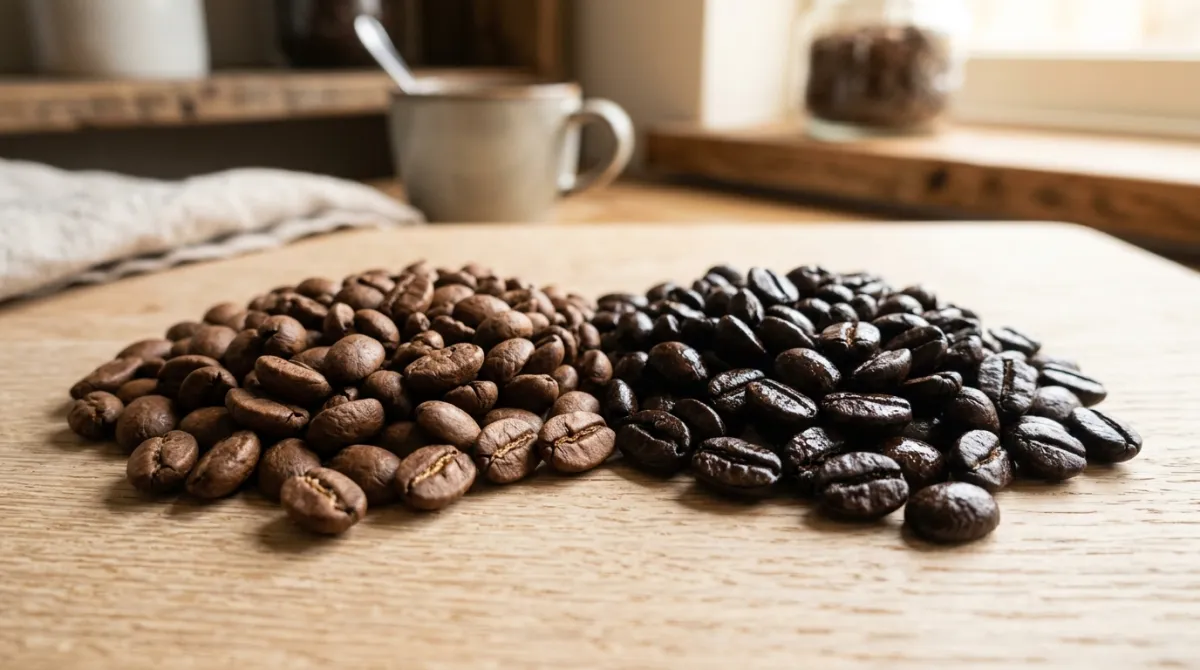
Medium roast is the balanced, brighter option that keeps more of the bean’s origin character, while dark roast is bolder, smokier, and lower in acidity. That single difference has shaped almost every bag I’ve bought in ten years of daily brewing. When people ask me which roast is “better,” I tell them there’s no winner, only a better match for your palate and your brew method. Medium roast leans sweet and complex. Dark roast leans deep and comforting. Below I’ll walk you through exactly how they differ, how each one behaves in the cup, and how I decide which bag to reach for on any given morning.
Key Takeaways
- Medium roast is medium-brown with a dry surface, balanced body, and brighter acidity that preserves origin flavor.
- Dark roast is dark brown and oily, with a bold, smoky, low-acidity profile.
- Caffeine is nearly identical by weight; lighter beans are slightly denser, so weigh your dose.
- Medium roast shines in drip and pour over; dark roast suits espresso, French press, and milk drinks.
- Choose by flavor preference and brew method, not by strength myths.
What actually happens during roasting?
Roasting is where green coffee turns into the aromatic bean you grind. As beans heat, they pass through “first crack,” a popping sound that marks the start of drinkable roast levels. Medium roasts are pulled shortly after first crack. Dark roasts push further, toward or past “second crack,” where oils migrate to the surface.
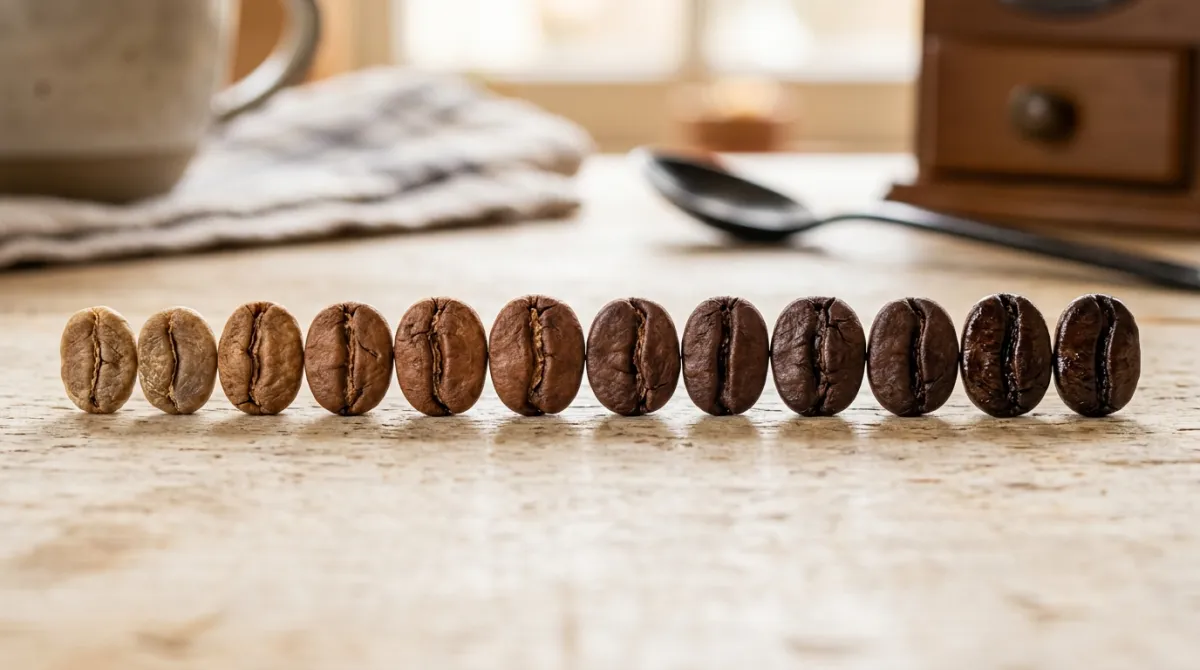
The longer a bean roasts, the more its delicate origin flavors give way to roast-driven flavors. Think caramel and toast developing into chocolate, smoke, and char. In my experience, this is the single most important thing to understand: you’re trading brightness for boldness as the roast gets darker. Neither is wrong. They’re just different points on the same journey.
Roast color tells you less than roast development. I’ve had two “medium” bags that tasted worlds apart because one was roasted quickly and one slowly. The color matched, the flavor didn’t.
How do medium and dark roast compare?
Here’s the side-by-side breakdown I wish someone had handed me when I started. Use it as a quick reference before you buy, then trust your own tongue once the coffee is in the cup.
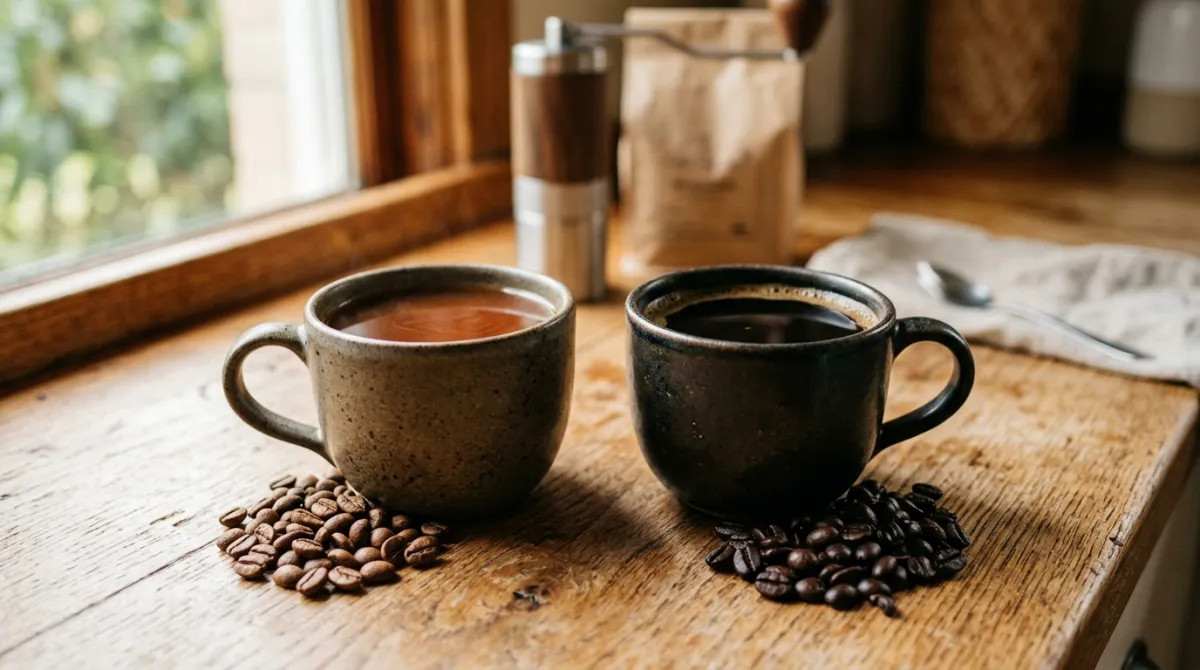
| Feature | Medium Roast | Dark Roast |
|---|---|---|
| Color / surface | Medium brown, dry (no visible oil) | Dark brown to near-black, oily sheen |
| Flavor | Balanced, sweet, caramel and nutty, some fruit | Bold, smoky, chocolatey, roasty, slightly bitter |
| Acidity | Brighter, more noticeable | Low, mellow |
| Body | Medium, rounded | Fuller, heavier mouthfeel |
| Origin character | Well preserved | Mostly roasted away |
| Caffeine | Nearly identical by weight | Nearly identical by weight |
| Best brew methods | Drip, pour over, AeroPress | Espresso, French press, moka, milk drinks |
Notice the caffeine row. This trips up almost everyone I talk to, so I gave it its own section below.
Which one tastes better?
Taste is personal, but the pattern is consistent: medium roast rewards you with clarity and dark roast rewards you with depth. When I brew a Central American medium roast as pour over, I get notes of milk chocolate, orange, and a clean sweetness. The acidity keeps it lively. It’s the coffee I make when I actually want to taste where the beans came from.
Dark roast is a different pleasure. The origin flavors fade, replaced by a rich, roasty backbone: dark chocolate, toasted nuts, a whisper of smoke. It’s rounder and more forgiving. On slow weekend mornings I pull a dark roast through my French press because that heavy, low-acid body pairs beautifully with the metal filter’s full mouthfeel.
If you find bright coffee “too sour” or dark coffee “too bitter,” the culprit is often brewing, not the roast. A sour cup usually means under-extraction; a bitter cup usually means over-extraction. I break this down further in why is my coffee bitter or sour, which is worth reading before you blame the bag.
Does dark roast have more caffeine?
No, and this is the myth I most want to bust. Caffeine is remarkably stable during roasting. By weight, medium and dark roasts contain nearly the same amount, with lighter roasts holding a very slight edge because roasting burns off a tiny fraction. The gap is small enough that you’ll never taste or feel it.
The real twist is density. Lighter beans are denser because they’ve lost less moisture and mass. So if you scoop by volume, a scoop of medium roast packs slightly more bean, and therefore slightly more caffeine, than the same scoop of puffed-up dark roast. Measure by weight and the difference all but disappears.
This is why “dark roast is stronger” persists. Dark roast tastes bolder, so people assume it hits harder. Boldness is flavor intensity, not caffeine content. My advice never changes: buy a cheap scale and weigh your dose. Consistency beats guesswork every single time.
Which roast should you choose?
Choose medium roast if you love brightness, sweetness, and tasting the difference between origins. Choose dark roast if you want bold, comforting, low-acid coffee that stands up to milk. That’s the short version, and honestly it covers most people.
Choose medium roast when
You brew drip, pour over, or AeroPress and want a clean, layered cup. Medium roast is my default for exploring single origins from Ethiopia, Colombia, or Kenya, where the whole point is the origin’s personality. If you’re moving down from lighter coffees, a medium roast is a gentle, sweet middle ground. The differences between light and medium are subtle, and I compare the two extremes in light roast vs dark roast.
Choose dark roast when
You pull espresso, press a French press, or build milk drinks like lattes and cappuccinos. Dark roast’s low acidity and heavy body cut through steamed milk instead of vanishing into it. It’s also the more forgiving roast if your grind or timing isn’t dialed in yet. Robusta beans, common in traditional espresso blends, lean naturally bold too, which I unpack in arabica vs robusta.
Still unsure?
Buy one bag of each from the same roaster and brew them side by side over a week. This is the single fastest way I know to train your palate. Within a few days you’ll know instinctively which roast your mornings want, and you’ll stop second-guessing the shelf.
How should you store and brew each roast?
Both roasts want the same storage: an airtight container, away from light, heat, and moisture, used within three to four weeks of the roast date. Dark roast’s surface oils go stale a touch faster, so I buy it in smaller bags and finish it sooner. Freshness matters more than roast level for a good cup.
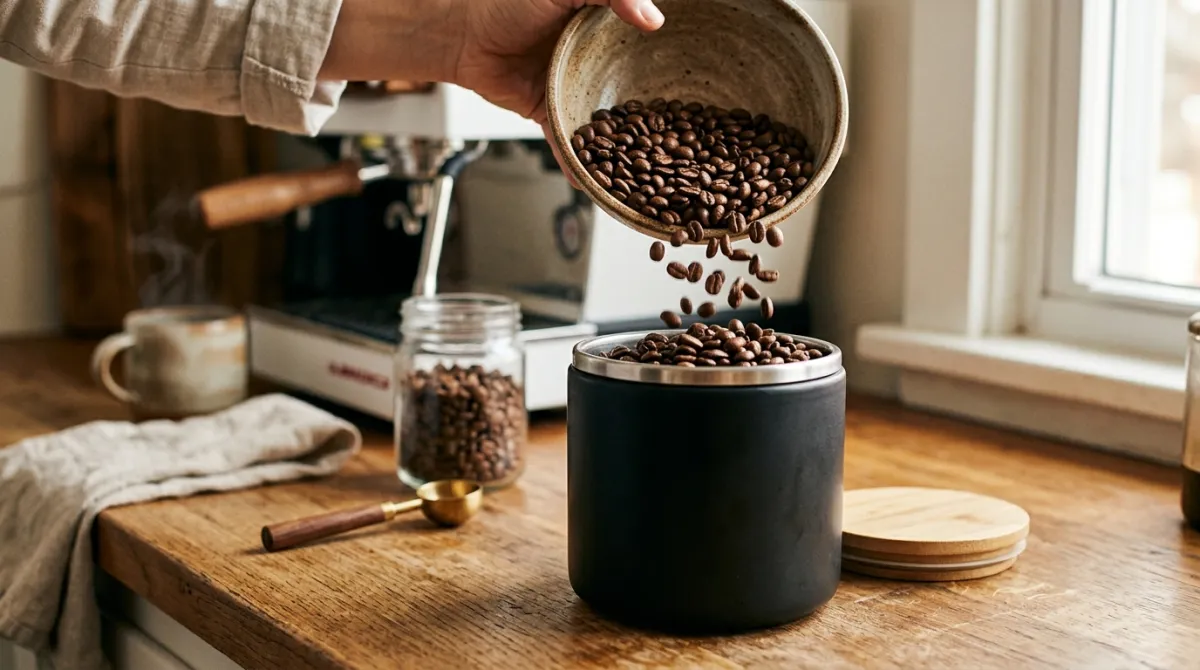
For brewing, match the roast to the method. Medium roast likes a slightly finer grind and a measured pour to draw out its sweetness in drip and pour over. Dark roast is already soluble and roasty, so I grind a hair coarser and shorten contact time to avoid pushing it into ashy bitterness. If you want to go deeper on the beans themselves, my rundown of types of coffee beans pairs well with this guide.
Frequently asked questions
Is medium or dark roast better for espresso?
Dark roast is the traditional espresso choice because its low acidity and full body produce a rich, syrupy shot that holds up in milk drinks. That said, medium roast espresso has grown popular for its brighter, fruitier character. I use dark for lattes and medium when I want a more complex straight shot.
Does dark roast really have less caffeine?
Only marginally, and only in a way you’ll never notice. By weight, medium and dark roasts carry nearly identical caffeine, with lighter roasts holding a very slight edge. The confusion comes from density: dark beans weigh less per scoop, so measuring by volume can shortchange your dose. Weigh your coffee for consistency.
Why is my dark roast so bitter?
Dark roast is naturally roastier, but harsh bitterness usually signals over-extraction. Try a coarser grind, a shorter brew time, or slightly cooler water around 195 to 200 degrees Fahrenheit. Dark roasts release flavor quickly, so they need a gentler touch than medium roasts to stay smooth rather than ashy or burnt-tasting.
Which roast is best for beginners?
Medium roast is the friendliest starting point. It’s balanced, sweet, and forgiving across most brew methods, so it tastes good even before you’ve dialed in your grind. It also teaches your palate what “origin flavor” means. Once you know your preference, branch into dark roast for bolder mornings and milk drinks.
Medium roast and dark roast aren’t rivals; they’re two moods of the same craft. Medium gives you brightness, sweetness, and a sense of place. Dark gives you body, boldness, and comfort. After a decade of daily brewing, I keep both on my shelf and choose by what I’m in the mood for and what I’m brewing that morning. Buy fresh, weigh your dose, and let your own taste settle the debate. If you’re ready to keep learning, explore more more brewing guides.
Keep brewing
Dial in your next cup with Brew Better Co.
Tested ratios, methods, and gear notes from a real home kitchen. New guides added regularly.
Explore all guides