beans
Types of Coffee Beans: A Home Brewer's Guide
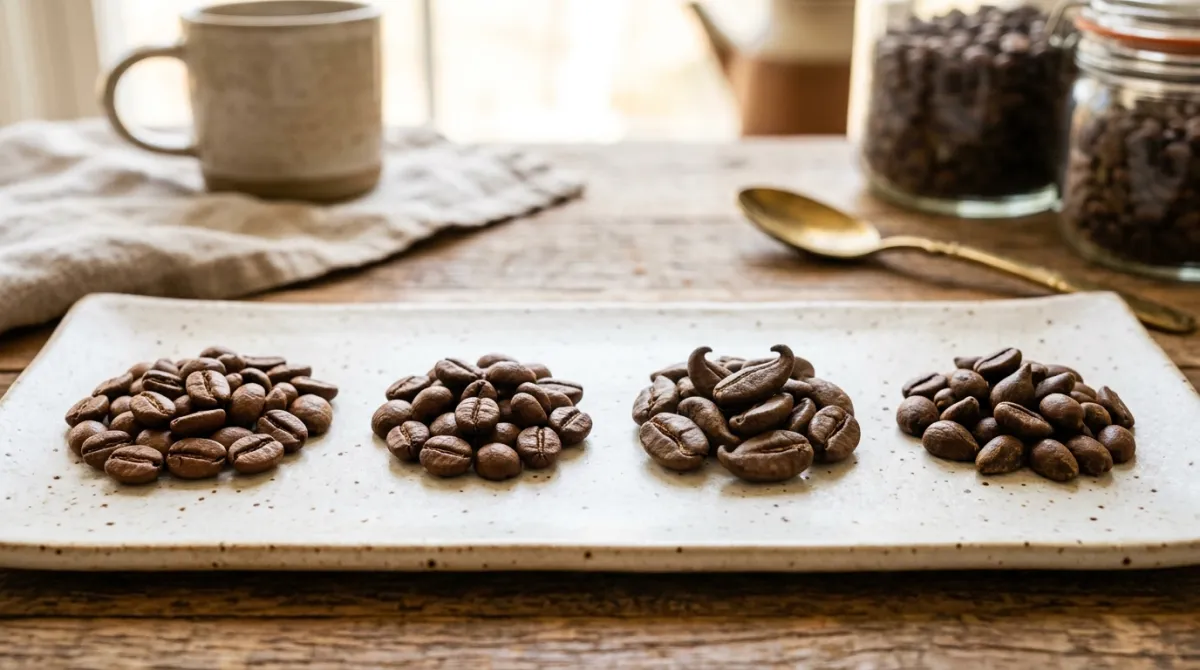
There are four commercially known types of coffee beans, Arabica, Robusta, Liberica, and Excelsa, and Arabica and Robusta dominate nearly everything you’ll ever brew at home. After ten years of daily brewing, I still find the differences fascinating. Each species carries its own flavor signature, caffeine level, and growing story. Understanding those differences is the fastest way I know to buy beans with confidence instead of guessing. In this guide I’ll walk through all four types, explain how they actually taste in the cup, and then cover something most bean guides skip: roast level shapes flavor just as much as the species does. Let’s get into it.
Key Takeaways
- The four types of coffee beans are Arabica, Robusta, Liberica, and Excelsa.
- Arabica makes up the majority of world supply and tastes sweeter and more complex.
- Robusta is bolder, more bitter, hardier, and carries roughly twice the caffeine of Arabica.
- Liberica and Excelsa are rare, with woody, smoky, and tart-fruity character.
- Roast level, not just bean type, decides much of what you taste.
What are the four types of coffee beans?
The four types of coffee beans grown commercially are Arabica, Robusta, Liberica, and Excelsa. In practice, Arabica and Robusta account for almost all coffee sold worldwide, while Liberica and Excelsa stay rare and regional. When someone talks about “coffee species,” these four are what they mean, and each behaves differently in the cup.
Here’s how I think about it after years of tasting side by side. Arabica and Robusta are the workhorses you’ll actually buy. Liberica and Excelsa are the curiosities worth chasing once, if you can find them. Excelsa, by the way, is often classed botanically as a variety of Liberica rather than a fully separate species, so you’ll see the count listed as three or four depending on who’s writing.
Knowing the type on the bag tells you a lot before the water even hits the grounds. It hints at sweetness, body, bitterness, and caffeine. It won’t tell you everything, because origin, processing, and roast all matter too, but it’s the best starting point I’ve found for predicting what lands in the cup.
What makes Arabica beans special?
Arabica is the most planted coffee species in the world and makes up the majority of what you’ll find on shelves. It’s prized for sweetness, acidity, and aromatic complexity. In my experience, Arabica is where you find the fruit, floral, chocolate, and caramel notes that make specialty coffee exciting. If a bag brags about tasting notes, it’s almost always Arabica.
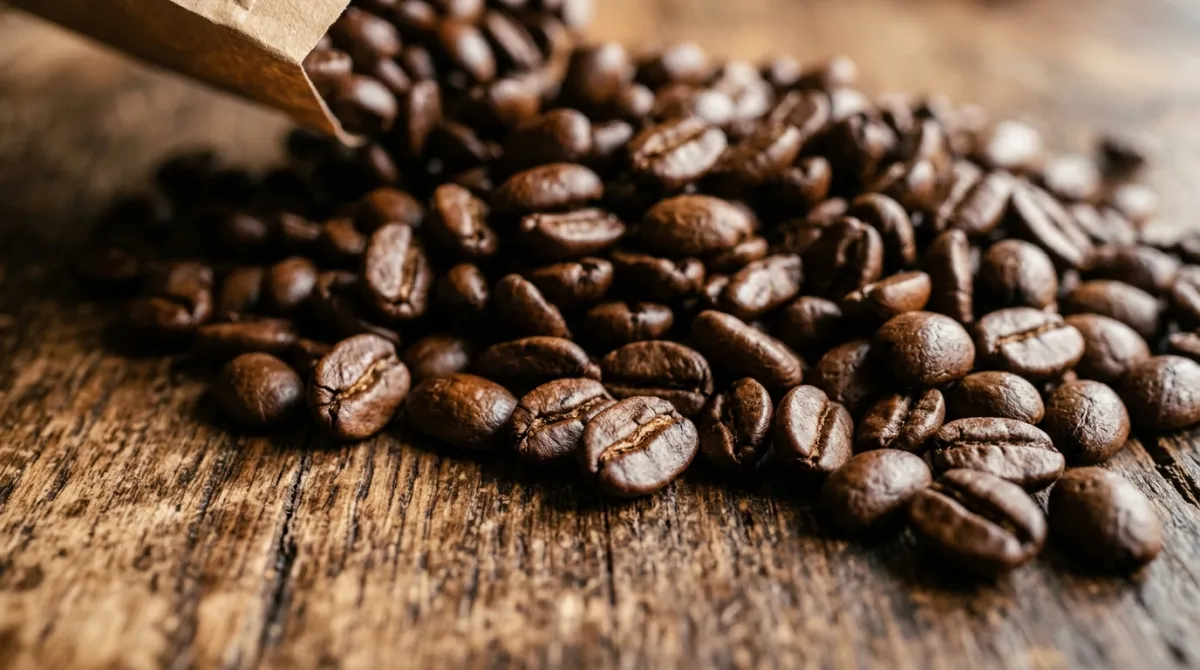
The plant itself is fussy. Arabica thrives at higher altitudes, in cooler climates with steady rainfall, and it’s more vulnerable to pests and disease than its tougher cousin. That difficulty is part of why quality Arabica costs more. Higher-grown lots tend to develop denser beans and brighter, more layered flavors, which is why elevation shows up so often on premium bags.
When I first switched from supermarket blends to single-origin Arabica, the change was dramatic. A washed Ethiopian brewed like tea, delicate and floral, while a Colombian leaned into red-apple sweetness. Same species, wildly different cups. That range is Arabica’s real gift, and it’s why most home brewers stay loyal to it. For a deeper comparison, see my guide on Arabica vs Robusta.
Why is Robusta bolder and higher in caffeine?
Robusta is the second most grown coffee type and delivers a bolder, more bitter, and heavier cup than Arabica. Its defining trait is caffeine: Robusta carries roughly twice the caffeine of Arabica. That extra caffeine acts as a natural pest deterrent, which is one reason the plant is so hardy and cheaper to farm.
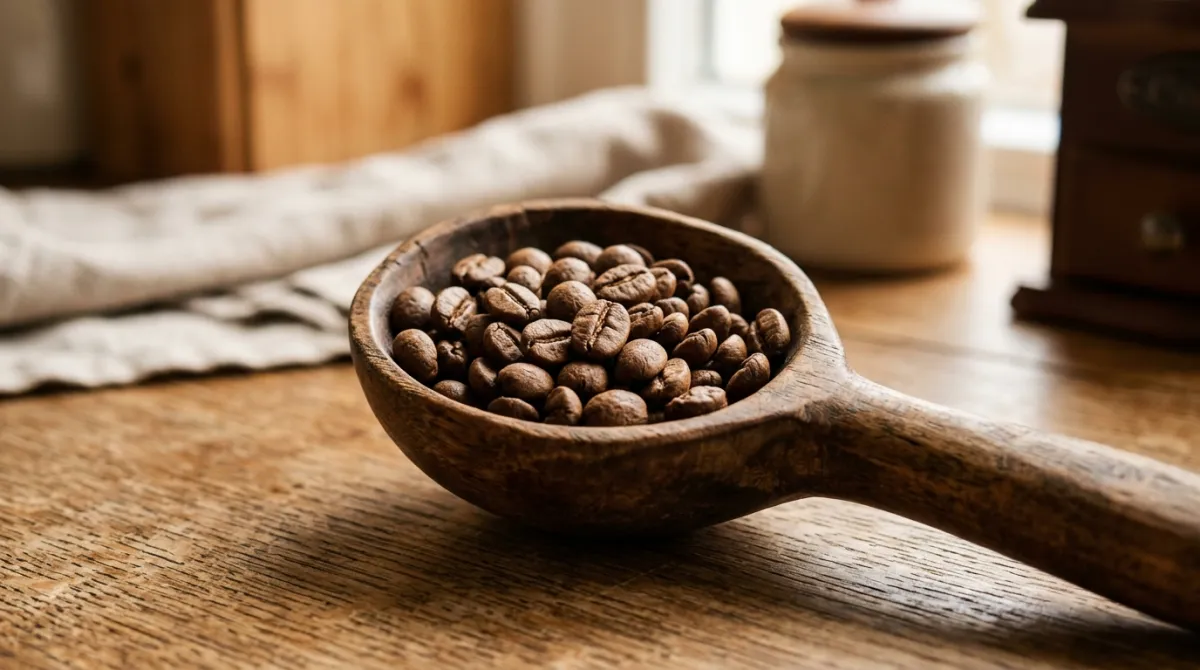
Robusta grows well at lower altitudes, tolerates heat, and resists disease that would wipe out delicate Arabica. Flavor-wise, it trends earthy, woody, nutty, and sometimes rubbery or grainy when it’s low grade. It rarely shows the bright acidity or fruit that Arabica does. That’s not automatically a flaw, though, and I think Robusta gets unfairly dismissed.
Good Robusta has a real purpose in espresso. It produces more crema and adds a thick, punchy body that many traditional Italian blends rely on. A small percentage of quality Robusta in an espresso blend can improve texture and staying power in milk drinks. If you want to understand that foam layer, read what is crema. The problem isn’t Robusta itself, it’s cheap Robusta, and there’s a lot of it about.
What are Liberica and Excelsa beans?
Liberica and Excelsa are the two rare types of coffee beans, together making up only a tiny slice of global production. Liberica beans are large and irregularly shaped, and the coffee tends toward smoky, woody, and floral-fruity flavors with an aroma some describe as jackfruit-like. It’s grown in pockets of Southeast Asia, West Africa, and the Philippines.
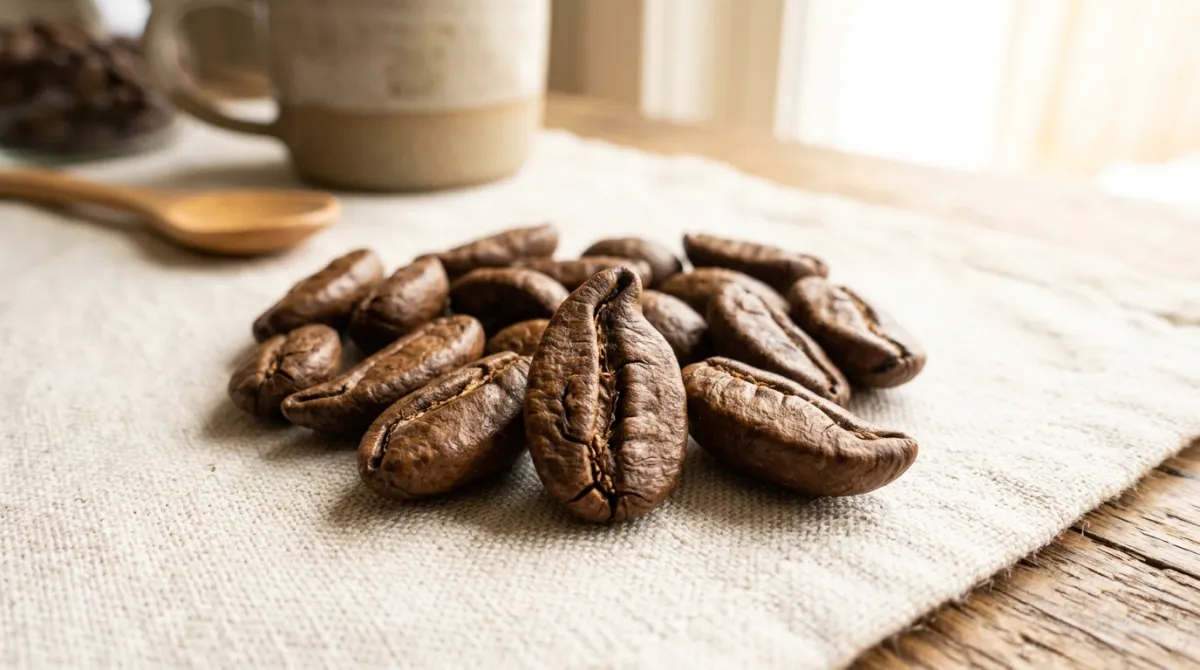
Excelsa is often classified as a variety within the Liberica group rather than its own species. Its flavor profile is different, though, leaning tart, fruity, and almost dark-berry sharp. Brewers sometimes describe Excelsa as tasting both light and dark at once, with a bright top note over a deeper base. That split character is what makes it stand out in a blend.
I’ve only brewed Liberica a handful of times, and honestly it divided everyone at my kitchen table. The woody, savory edge is not what people expect from coffee. But if you love exploring, tracking down a Liberica or Excelsa lot is a genuinely fun weekend project. Just don’t expect your usual brew recipe to translate cleanly, since the larger beans and different density often need adjusting.
How does roast level change the flavor too?
Roast level shapes flavor just as powerfully as the bean type, and this is the part most guides overlook. The same Arabica lot tastes bright and fruity as a light roast, but rounder, bittersweet, and roastier as a dark roast. So when you dislike a coffee, the roast may be the culprit, not the species on the label.
Light roasts preserve more of the origin character, that acidity and those delicate fruit or floral notes. Dark roasts push development further, trading origin nuance for bold, smoky, chocolatey, sometimes bitter depth. Medium roasts sit in between and are where I send most people starting out, because they balance sweetness and body without extremes.
Two more distinctions matter here. First, single-origin means beans from one place, prized for a distinct taste of that region, while blends mix origins or species for balance and consistency. Second, roast and type stack: a dark-roasted Robusta blend and a light-roasted single-origin Arabica are almost opposite drinking experiences. To go deeper, compare light roast vs dark roast and medium roast vs dark roast.
Comparing the four coffee bean types
Here’s a quick reference I wish I’d had when I started. It sums up how the four types of coffee beans stack up on the traits that matter most at home.
| Type | Flavor | Caffeine | Body | Availability |
|---|---|---|---|---|
| Arabica | Sweet, complex, fruity to chocolatey | Lower | Light to medium | Majority of supply |
| Robusta | Bold, bitter, earthy, nutty | High (about 2x Arabica) | Heavy, more crema | Most of the rest |
| Liberica | Smoky, woody, floral-fruity | Moderate | Full, unusual | Rare |
| Excelsa | Tart, fruity, dark-berry sharp | Moderate | Layered | Rare |
Use this as a starting compass, not a rulebook. Processing and roast can shift any of these traits, and a great roaster can coax surprising results from any species.
Frequently asked questions
Which type of coffee bean is best for beginners?
Arabica is the easiest starting point for most beginners because it’s widely available and its sweeter, less bitter profile is more forgiving. I’d pair a single-origin or blended Arabica with a medium roast. That combination is approachable, tastes good across brewing methods, and gives you a clear reference before you branch into bolder Robusta blends or rare species.
Is Robusta coffee worse than Arabica?
No, Robusta isn’t inherently worse, it’s different and often misused. Cheap, low-grade Robusta earned the species a poor reputation, but well-grown Robusta adds body, crema, and a caffeine kick that espresso blends value. Arabica generally offers more complexity and sweetness, so most specialty coffee is Arabica. Judge the bean by quality, not just its species name.
Can you actually buy Liberica and Excelsa beans?
Yes, but you’ll have to hunt. Liberica and Excelsa make up only a tiny share of production and rarely reach mainstream shops. Specialty online roasters, importers focused on Southeast Asia and the Philippines, and curious micro-roasters are your best bet. Expect limited stock, higher prices, and unusual flavors that won’t taste like your everyday cup.
Does bean type or roast matter more for flavor?
Both matter, and they work together. Bean type sets the raw potential: Arabica’s complexity, Robusta’s boldness. Roast level then decides how much origin character survives versus how much roasty, bitter depth develops. In my experience, a mismatched roast can hide a great bean entirely, so I always consider type and roast as a pair when buying.
Choosing among the types of coffee beans really comes down to how you like your cup: bright and complex, bold and punchy, or genuinely unusual. Start with Arabica, experiment with roast levels, and taste a quality Robusta before you write it off. Once you understand species and roast together, you’ll buy beans with far more confidence. For more help dialing in your setup, browse my other more brewing guides.
Keep brewing
Dial in your next cup with Brew Better Co.
Tested ratios, methods, and gear notes from a real home kitchen. New guides added regularly.
Explore all guides